Can You Have a Home Birth if You're GBS Positive? Here's What to Know
One question that comes up often for families considering home birth is whether testing positive for Group B Streptococcus (GBS) automatically means they can no longer give birth at home.
Sometimes that question comes after the routine GBS screening offered toward the end of pregnancy. Other times, GBS is found earlier in a urine culture. Those results are not exactly the same clinically, but they can create the same immediate fear that a family's plans have suddenly changed and that home birth is no longer an option.
One client transferred into my care around 24 weeks after beginning her pregnancy planning a hospital birth. GBS had been found in her urine during her initial testing. When she later asked about the possibility of home birth, she was told that the result meant she was not a candidate.
She had been given an answer, but she did not feel like she had been given much of an explanation.
She still had questions about what GBS in her urine meant, why it mattered for her baby, whether it was different from the routine screening later in pregnancy, and what options existed for managing GBS during labor.
What she needed was time to slow the conversation down.
In my practice, a positive GBS result does not automatically rule someone out of home birth. We talk about what the result means, what we know about the risks to the baby, the options available during labor, and what might change the plan as pregnancy or labor progresses.
And yes, if you want antibiotics for GBS during your home birth, I can administer them at home.
That tends to surprise people.

What Is Group B Streptococcus?
Group B Streptococcus, often called GBS or Group B Strep, is bacteria that naturally lives in the gastrointestinal or genital tract of 30% of women. Someone can carry GBS without having symptoms or knowing it is present. A positive screening result usually does not mean the pregnant person has an active illness, it means the bacteria was present when the sample was collected.
GBS can come and go over time, which is why routine screening is typically offered toward the end of pregnancy, usually around 36 or 37 weeks. The screening involves collecting a swab from the vagina and rectum to determine whether GBS is present close to the time someone is expected to give birth.
In my practice, though, the conversation starts before we ever do the test.
I want clients to understand what we're testing for and what we're going to do with that information. You can decline GBS screening altogether, but knowing whether you are positive or negative can give us useful information later.
For example, if your water has been broken for a prolonged period of time during labor, knowing your GBS status gives us another piece of information to consider when we're assessing risk and talking about what you want to do next.
It may also affect how you feel about receiving antibiotics during labor.
I don't want the first conversation about GBS to happen after someone sees the word "positive" in their chart.
Why Do We Care About GBS During Labor?
The primary concern with GBS is the possibility that the bacteria can pass to the baby during labor or birth. In a small number of cases, this can lead to a serious infection during the newborn's first week of life, including sepsis, pneumonia, or meningitis.
Because of that risk, IV antibiotics during labor are recommended for someone who tests positive.
When one of my clients is GBS positive, we talk about the recommendation, the evidence behind it, the risks to the baby, and the pros and cons of receiving antibiotics or declining them.
GBS status is one part of that larger clinical picture.
Does Testing Positive for GBS Rule Out Home Birth?
In my practice, no.
A positive routine GBS swab does not automatically make you ineligible for home birth with Family Focused Midwifery.
That does not mean I ignore the result. It means we have a conversation about it.
We'll talk about the risks to your baby, the evidence around GBS, the recommendation for antibiotics during labor, what receiving those antibiotics at home would involve, and what it could look like if you decide you do not want them.
We'll also continue assessing the rest of your pregnancy and labor, just as we would with any client.
There are clinical circumstances that can make home birth inappropriate. Preterm labor, for example, would mean we are no longer planning a home birth. If you develop a fever and there is concern that an infection is developing during labor, that would also change our plan.
Prolonged rupture of membranes, on its own, does not automatically mean a GBS-positive client has to transfer. It becomes another piece of information that we use to assess the overall clinical situation.
This is part of how I approach home birth candidacy throughout pregnancy and labor. The plan continues to be evaluated based on what is actually happening with you and your baby.
Can You Get IV Antibiotics for GBS at Home?
Yes.
This is probably one of the things clients are most surprised to learn about GBS and home birth.
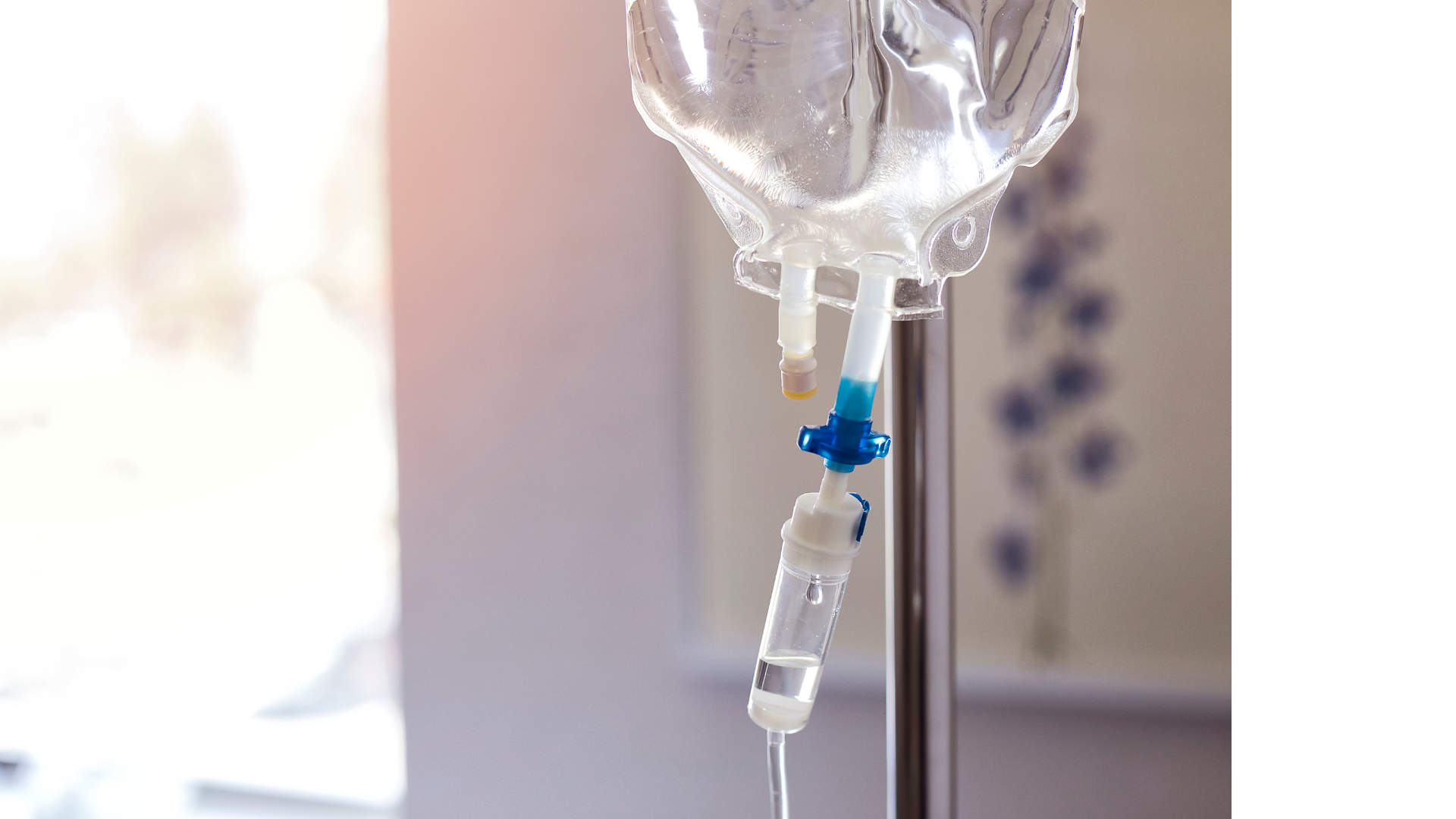
I can place an IV and administer antibiotics for GBS during labor in your home. If you have a medication allergy, we would take your allergy history into consideration and determine the safest medication option for you.
For clients who choose antibiotics, they are given through the IV every few hours beginning in active labor.
So if part of your hesitation around a GBS positive home birth is that you assumed you would have to choose between giving birth at home and having access to IV antibiotics, that is not the case within my practice.
You can plan a home birth and receive antibiotics at home if that is the decision you make.
And because labor does not always follow a predictable timeline, we also talk ahead of time about what could happen if labor moves quickly or there simply isn't time to receive multiple doses before your baby arrives.
What if You Don't Want Antibiotics?
You still have a decision to make.
I will recommend antibiotics when they are clinically indicated, and I want you to understand why that recommendation exists. We will talk about what we know about GBS, the potential risk to your baby, the benefits and drawbacks of antibiotic prophylaxis, and any concerns you have about receiving it.
And if you decide after that conversation that you do not want IV antibiotics during labor, I respect that decision.
Declining antibiotics does not make the risk associated with GBS disappear, which is why I think the conversation is so important. I want you to know what you're making a decision about.
We will also talk about what to watch for after your baby is born and which symptoms would mean your baby needs to be evaluated right away.
Supporting informed decisions means you have the information, I make my clinical recommendations clear, you have room to ask questions, and ultimately you are an active participant in deciding what happens to your body and your baby.
What if GBS Is Found in Your Urine?
GBS found in a urine culture earlier in pregnancy is handled a little differently from a positive vaginal and rectal swab at 36 or 37 weeks.
When GBS is found in the urine, it tells us that the level of colonization is higher. Because we already have that information, I would not repeat the routine GBS swab later in pregnancy.
Antibiotic prophylaxis during labor would also be recommended.
That still does not automatically rule you out of home birth in my practice.
This was the situation with the client who transferred into my care at 24 weeks. GBS had already been identified in her urine, so we knew antibiotics during labor were recommended. We were able to talk about why, what that would look like during a home birth, and the risks and benefits of receiving or declining them.
She didn't need someone to simply give her another yes or no.
She needed the rest of the conversation.
What Happens After a GBS Positive Home Birth?
After birth, I talk with families about what is normal for their newborn and what would concern me enough that I would want the baby evaluated.
That includes watching for a fever, changes in feeding, lethargy, or breathing that looks concerning. Newborn breathing can naturally be somewhat irregular, so we also talk about the difference between normal newborn breathing patterns and a baby who appears to be struggling to breathe, including things like nasal flaring or retractions.
This type of newborn support isn't limited only to families who were GBS positive. I want all of my clients to know their baby, understand what's normal, and know when something doesn't look right.
I also return to assess the family and baby at the 24 to 48 hour postpartum visit.
For a GBS-positive family, we simply have that additional piece of clinical information in mind as everyone gets to know the baby and watches how they transition after birth.
GBS Management Can Look Different Between Midwives
This is also why asking about GBS can be an important part of choosing a midwife.
Not every home birth midwife has the same scope, medication access, protocols, or practice boundaries. One midwife may be able to administer IV antibiotics at home while another may not.
Some may have different policies around declining antibiotics or other factors that develop during labor.
Those differences do not automatically mean one provider respects autonomy while another does not. Midwives still have to practice within their training, credentials, scope, available resources, and the level of risk they can responsibly manage.
What I want families considering care with me to know is what my practice actually looks like.
A positive GBS swab alone does not rule you out of home birth with Family Focused Midwifery.
I offer IV antibiotics at home if you choose to receive them.
I respect your decision if, after an informed conversation, you decline them.
And throughout labor, I am continuing to assess you and your baby and looking at the whole clinical picture rather than making decisions based solely on one test result.

Questions to Ask Your Home Birth Midwife About GBS
If you're interviewing midwives or recently received a positive result, there are a few practical things worth asking:
Does a positive GBS result change my eligibility for home birth?
Can you administer IV antibiotics at home?
What does receiving antibiotics at home look like?
How do you approach a client who declines antibiotics?
Is your approach different if GBS is found in the urine?
How does prolonged rupture of membranes affect your recommendations?
What would change the plan during labor?
What should I watch for in my newborn after birth?
These are the kinds of questions that help you understand the actual care available to you rather than assuming every home birth practice handles GBS the same way.
They're also useful questions when thinking about transfer planning and the circumstances that might change your original birth plan.
A Positive GBS Test Is the Beginning of the Conversation
What stayed with me about the client who transferred into my care wasn’t simply that another provider had decided she was not eligible for home birth.
Providers make recommendations and set practice boundaries, and there may be good clinical reasons behind those decisions.
What she was missing was the conversation.
She wanted to understand why her urine result mattered. She wanted to know what the concern was for her baby, what role antibiotics played, and whether those antibiotics could be given during a home birth.
She wanted enough time to ask those questions without feeling like she was challenging someone or becoming a burden.
Our prenatal visits are scheduled for an hour, which gave us room to talk through all of it. I could explain the information we had, make my recommendations, answer her questions, and listen to what mattered to her.
The final decision still belonged to her.
And that's really how I want these conversations to feel.
You should know why we're testing for something before we test for it. You should understand what a positive result means. You should know what options I can provide within my practice. And you should have room to ask questions and make an informed decision about your care.
A positive GBS result does not automatically end your plans for a home birth with Family Focused Midwifery.
It gives us more information to talk about.
If you're GBS positive and wondering what that means for your home birth plans, let's talk about your specific situation.
Family Focused Midwifery supports home birth families throughout Milwaukee and Waukesha, including the option for IV antibiotics at home when desired.
Schedule a consultation to learn more about home birth care and what your options could look like.
Family Focused Midwifery supports families throughout Milwaukee, Waukesha County, and Southeast Wisconsin with home birth midwifery care, birth doula support, and childbirth education.
If you're looking for personalized support, we're here to help you navigate pregnancy, birth, and postpartum with confidence.
Not local? You can still learn with us through Fearless Birth Academy, our online childbirth education program.
You don’t have to figure this out alone, and you don’t have to choose between safety and autonomy.