Considering hiring a midwife for birth? Learn about the midwifery model of care
One of the questions I hear fairly often is, “What is midwifery care, exactly?” And while there are certainly clinical definitions, regulations, certifications, and scope of practice discussions that answer that question, that is not usually what people are asking. What they are often wondering is what midwifery care actually feels like. What is different about it? Why do people seek it out?
What makes this model of care feel different from other maternity care experiences?
For me, the answer has very little to do with convincing someone to have a home birth, decline interventions, or follow a particular path. The biggest difference is that I do not believe my role is to tell people what to do. I believe my role is to help people understand their options, understand their individual circumstances, understand their personal risk factors, and make decisions that align with their own values.
That philosophy is what drew me to the midwifery model of care in the first place.
My Path into Midwifery
Before becoming a home birth midwife, I worked as a labor and delivery nurse in the hospital. I also had two of my own children during that season of life. My first baby was born while I was still in nursing school, and my second came shortly after graduation. As I continued working, teaching childbirth education, and supporting families preparing for birth, I found myself becoming increasingly interested in informed consent, autonomy, and helping families understand all of their options.
Not just one side. Not just the medical perspective. Not just the holistic perspective. All of it.
Because most families do not fit neatly into one category. Some people want a very medical approach. Some people want a very natural approach. Most fall somewhere in the middle. And I think people deserve access to information that helps them understand both sides of a decision.
The Recommendation is Not Always the Whole Conversation
One thing I noticed repeatedly while working in the hospital setting was how often a recommendation would be given and the conversation would stop there. The recommendation itself was not necessarily wrong. It was often based on guidelines, evidence, standards of care, and clinical experience.
But sometimes I found myself wishing families had more.
Whether it was more information, more context, more understanding of what a diagnosis meant, more discussion about alternatives, and more opportunity to ask questions.
Because everybody is different. The decision I would make for myself may not be the decision somebody else would make for themselves. The values I prioritize may not be the same values another family prioritizes. And that is okay. The goal is not for everyone to make identical decisions. The goal is for people to understand what they are deciding and why.
Sometimes, in the hospital setting, I saw conversations that had the opportunity to go in a different direction. There could have been more information provided about certain conditions, risk factors, ways someone could be induced, or what a diagnosis might mean going forward. But often, the conversation did not go very far. A recommendation was given, and families did not always know they could ask more questions or how to become more involved in that decision.
What is the Midwifery Model of Care?
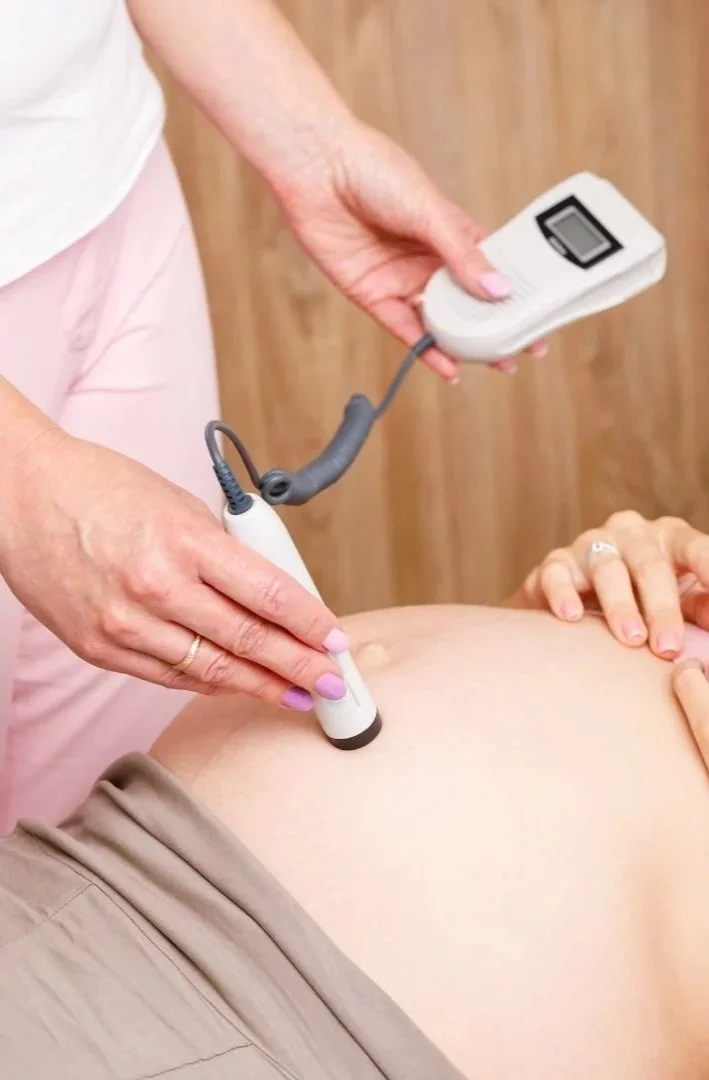
When people ask me what is midwifery care, the first thing that comes to mind is a relationship. Trust takes time. Conversations take time. Questions take time. Most of my prenatal visits are scheduled for an hour. Sometimes we do not need the full hour, and sometimes we need more.
But I want families to know there is room for the conversation.
There is room to ask the question they forgot to write down. There is room to process a diagnosis. There is room to talk through fears. There is room to change their mind. There is room to think out loud. Sometimes people come into an appointment convinced they do not have any questions at all, and then we spend an hour talking. Not because something is wrong, but because they finally have the space to think.
I do not always have a solution. I cannot always fix what is happening. But I can listen. I can have that relationship with someone where they feel cared for and where they do not feel like just a number. That is one of the things I really love about the small practice I have built, and I think people really enjoy that as well.
Choosing a Midwife for Birth Feels Different
One of the things I love most about my practice is the ability to truly get to knowpeople. I get to know the families, the children, the personalities, the concerns, the preferences, and the goals. And they get to know me. By the time labor begins, we already have a relationship. There is already trust. There is already familiarity.
That does not mean larger practices are doing something wrong. The reality is that hospital systems are often managing incredibly high patient volumes. Providers may have 10 or 15 minutes for an appointment. They may be caring for many patients every day. Many practices rotate providers to make call schedules sustainable. There are practical reasons those systems exist, and I do understand that.
But they do create limitations. Sometimes families see a different provider at every visit. Sometimes they find someone they connect with and do not see them again for weeks. Sometimes they feel like their care is divided into pieces instead of one continuous relationship. By the time labor begins, the person walking into the room may not know them very well, and that can create more uncertainty for families during an already unpredictable experience.
Birth is unpredictable enough.
If we can limit some of the uncertainty by building trust, having conversations, creating realistic expectations, and helping families feel comfortable in their care, I think that matters.
Midwifery Care is not Just for Home Birth
I think one of the biggest misconceptions people have is that midwifery care only applies to home birth. Home birth is one setting where the midwifery model of care exists, and it is a setting I am very passionate about.
But the philosophy itself can support people in many different situations.
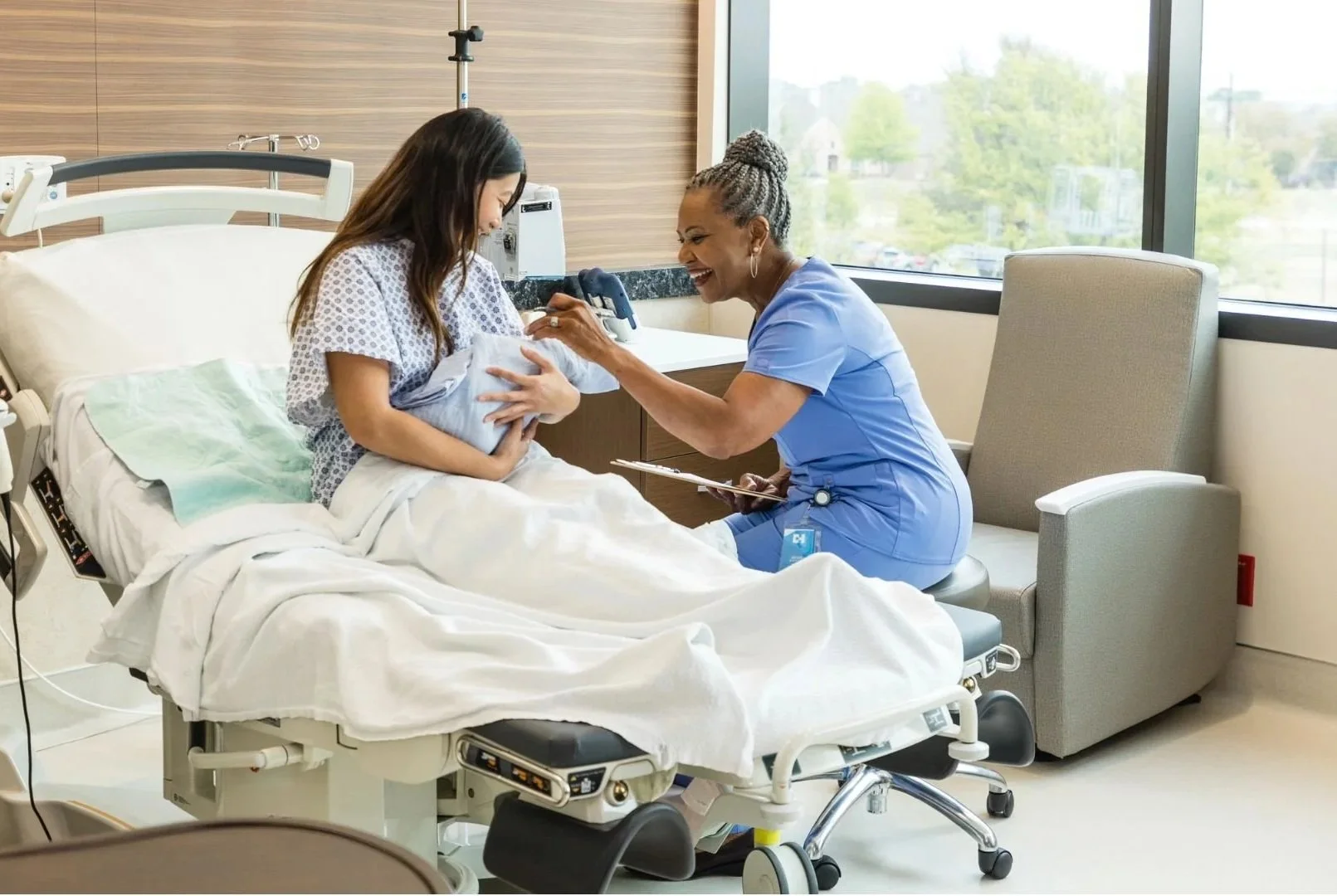
Some families work with a midwife while planning a home birth. Some work with a midwife in a hospital setting. Some seek additional prenatal support while remaining under the care of their obstetric provider. Some are managing high-risk pregnancies and want another layer of education and support while continuing specialized medical care. Those situations look different, but the underlying need is often the same.
People want to understand what is happening. They want to ask questions. They want to feel heard. They want to feel involved in decisions about their own care. Even when someone needs a higher level of medical care, that does not mean they stop needing support, education, listening, and help understanding what is happening.
Helping Families Feel Centered in Their Care
If I had to summarize what midwifery care means to me, it would be helping families feel centered in their own care. Not passive participants. Not people being told what to do. Not people simply following instructions they do not understand. People who are engaged, asking questions, understanding their options, participating in decisions, and feeling like their values matter.
That does not mean everyone makes the same choices. It does not mean every family wants the same kind of birth. It does not mean midwifery care has to be purely holistic or that someone has to decline medical interventions to benefit from this model of care. To me, it means there is somebody there to hear what the mother wants, help her understand her options, and support her in moving toward her goals.
That is ultimately what I love about midwifery care. It gives me the opportunity to know families, to listen, to provide education, to support informed decisions, and to help people feel more grounded in an experience that can otherwise feel overwhelming or uncertain.
If you are looking for more personalized support during pregnancy, whether you are planning a home birth, hospital birth, or simply want more time to ask questions and understand your options, we would love to connect.
Family Focused Midwifery offers home birth midwifery care, birth doula support, childbirth education, and individualized prenatal consultations designed to help families feel informed, supported, and confident in their decisions.
Family Focused Midwifery supports families throughout Milwaukee, Waukesha County, and Southeast Wisconsin with home birth midwifery care, birth doula support, and childbirth education.
If you're looking for personalized support, we're here to help you navigate pregnancy, birth, and postpartum with confidence.
Not local? You can still learn with us through Fearless Birth Academy, our online childbirth education program.
You don’t have to figure this out alone, and you don’t have to choose between safety and autonomy.