Are home births safer than the hospital? What happens if something goes wrong?
Some of the most common questions people ask when they're considering home birth:
Are home births safer and what happens if something goes wrong?
I think these are really important questions to ask because the most important thing when planning a home birth is making sure that both mom and baby are safe. This conversation comes up during every consultation I have with families, and it continues throughout pregnancy because we're constantly assessing whether someone remains a good candidate for an out-of-hospital birth.
When people ask me this question, they're often thinking about labor and delivery. They're wondering what would happen if there was an emergency during the birth itself. While we absolutely prepare for that, I usually start much earlier in the conversation because a lot of what contributes to home birth safety happens long before labor begins.
In many ways, the work starts before pregnancy even starts.

Safety Planning Starts Long Before Labor
One thing I wish more families knew is that there are things we can do before pregnancy to help support healthy outcomes. Some families schedule preconception visits with me before they're trying to conceive. During those appointments, we're talking about nutrition, supplementation, stress levels, exercise habits, sleep, and overall health for both partners.
Not everybody comes in before pregnancy, and that's okay. Most people don't. But when families do have that opportunity, it gives us a chance to identify areas where health can be optimized before pregnancy begins. Fertility, pregnancy outcomes, and overall wellness are all connected.
Sometimes small changes made early can have a meaningful impact later.
Once pregnancy begins, that process of assessment and support continues throughout prenatal care. Every visit provides another opportunity to gather information about how mom and baby are doing and whether the pregnancy continues to be low risk.
At each appointment, I'm checking vital signs, listening to baby's heart tones, measuring growth, reviewing symptoms, and looking at the overall picture of how pregnancy is progressing. Those things may seem routine, but they give us valuable information. Sometimes they confirm that everything is continuing normally. Sometimes they alert us that we need to take a closer look at something.
The goal is not to wait until there is a problem. The goal is to recognize concerns as early as possible and respond appropriately.
Why Testing and Screening Matter
This is one of the reasons I place so much value on certain screenings and assessments during pregnancy.
Initial lab work gives us information about a mother's health and can help identify areas where additional support may be beneficial. Follow-up labs later in pregnancy help us reassess and make sure things are continuing in the right direction.
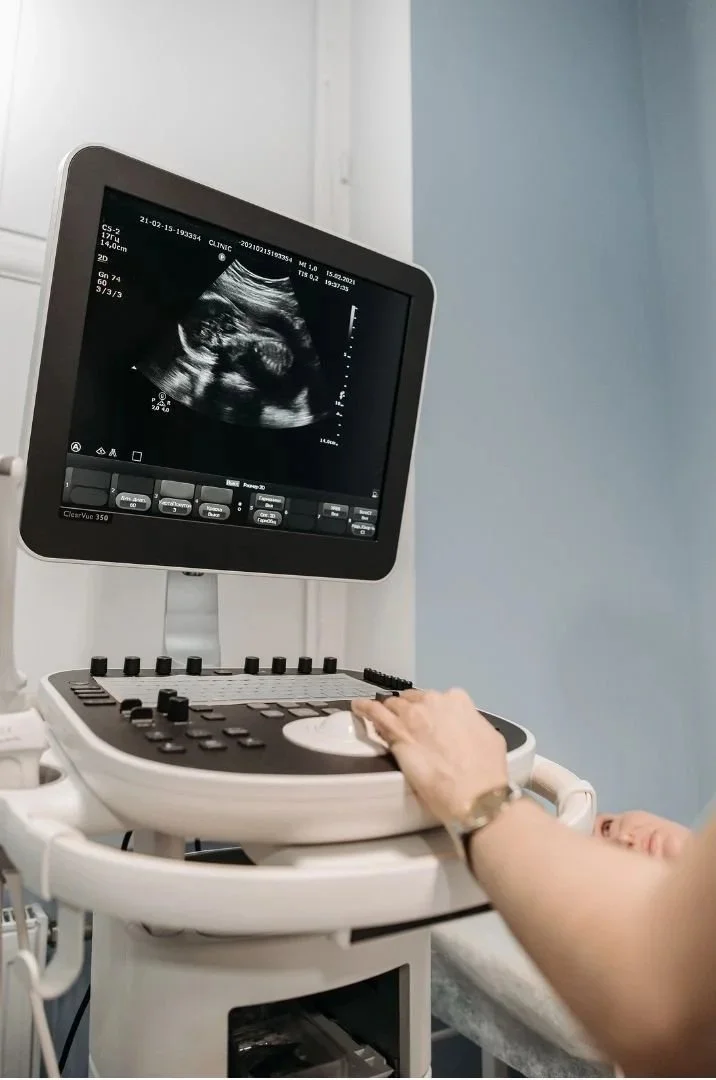
The anatomy ultrasound around 20 weeks is another example. That ultrasound provides a great amount of information about how the baby is developing. It helps us understand things like fetal anatomy, placental location, and whether there are concerns that may require additional monitoring or specialized care.
Sometimes families ask why these things are important in home birth care. From my perspective, the more information we have, the better equipped we are to make decisions together. If something shows up that changes the risk profile of the pregnancy, I want to know about it. If there is a condition that would be better managed in a hospital setting, I want families to have that information early enough to make thoughtful decisions about their care.
The same is true for gestational diabetes screening, monitoring baby's growth, and assessing maternal health throughout pregnancy. These are all pieces of a much larger picture that help us determine whether home birth continues to be an appropriate and safe option.
The Relationship Is Part of the Safety Plan
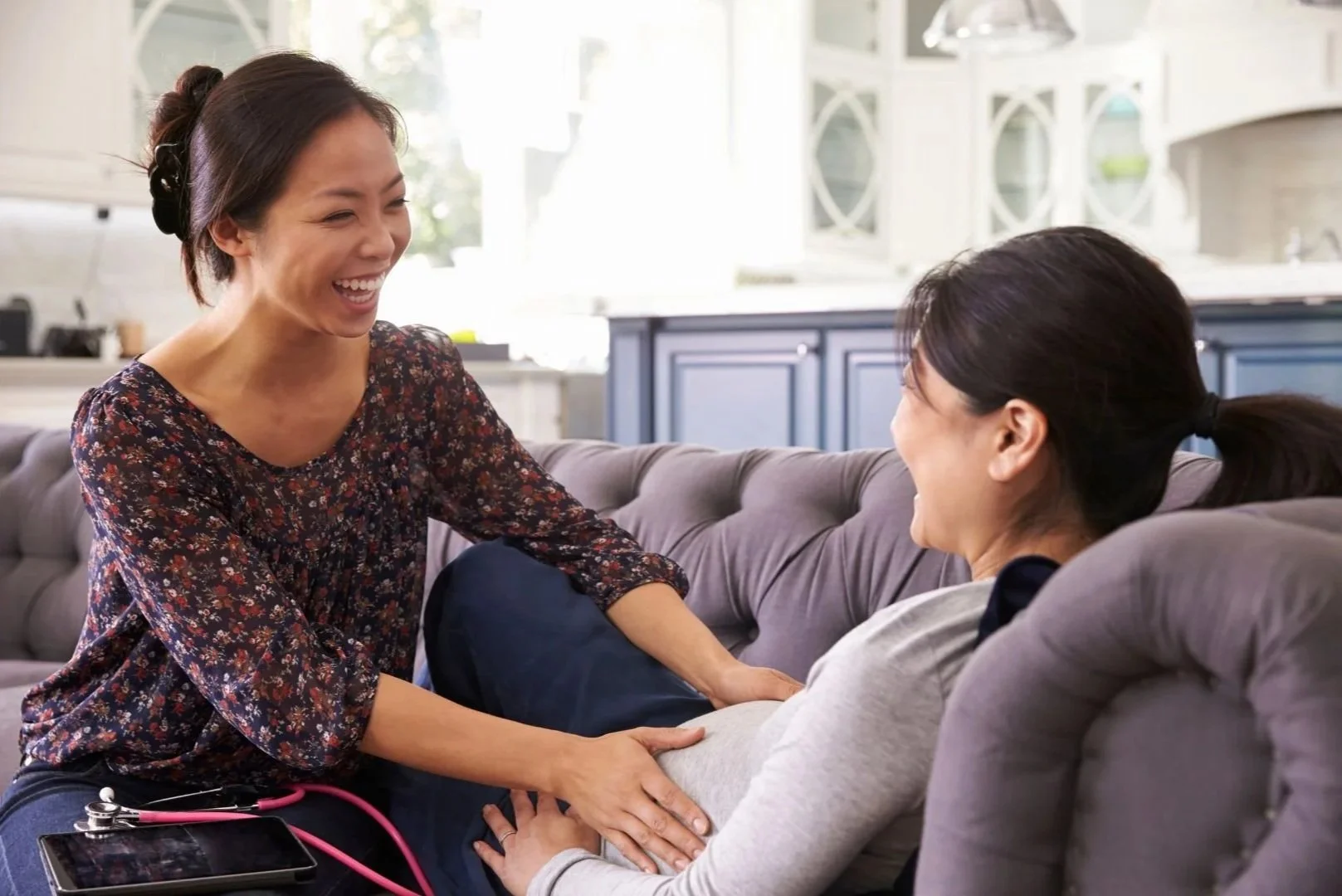
One of the things I love most about midwifery care is the time we spend with families.
All of my prenatal visits are scheduled for an hour. Sometimes we use the full hour and sometimes we don't, but having that time available creates space for conversations that might not happen otherwise.
I've found that people often come into appointments thinking they don't have any questions. Then we start talking and before long we've spent an hour discussing concerns, preferences, fears, experiences, and things they hadn't even realized they wanted to ask about.
That relationship building matters.
When people consistently see the same provider, they tend to become more comfortable sharing things that they might not otherwise mention. They feel more comfortable asking questions. They feel more comfortable talking through concerns. Sometimes those conversations uncover things that deserve additional attention or support. Sometimes they simply provide reassurance. Either way, those discussions become part of the overall process of caring for the whole person rather than simply checking boxes during an appointment.
I think that continuity of care benefits both the family and the provider. The better I know someone, the better I understand their health history, their concerns, their values, and what matters most to them during pregnancy and birth.
Preparing for the Unexpected
Even with excellent prenatal care and careful screening, birth is still unpredictable.
Most births progress normally, but part of being a midwife is preparing for situations that don't.
Around 36 weeks, one of the things I do with every family is review some of the more common emergency situations that can occur in birth. This is not intended to create fear. I believe people deserve to understand the plans we have in place and what things could potentially look like if additional support becomes necessary.
We talk about postpartum hemorrhage, newborn resuscitation, and shoulder dystocia. Those are three situations that every family hears about because they are important parts of emergency preparedness.
For postpartum hemorrhage, we review risk factors, medications I carry, how those medications are administered, and what management might look like based on someone's specific history and circumstances. For some families, there may be additional considerations based on prior births or medical history. For others, the conversation is more straightforward. Either way, we've already talked about it before labor begins.
When discussing shoulder dystocia, I actually demonstrate the positions that may be needed if a baby's shoulder becomes stuck during delivery. Families get an opportunity to see those positions, practice them, and understand why they may be important. If that situation were ever to occur, I don't want the first time they're hearing those instructions to be during an emergency.
We also discuss newborn resuscitation. Families learn what equipment I carry, how babies are assessed after birth, what additional support may look like if needed, and how my assistant and I would work together while continuing to keep parents informed about what is happening.
These conversations are part of informed consent. They help families understand not only what normal birth looks like, but also how we respond when things are no longer progressing normally.
Transfer is Part of the Plan
Another important part of home birth safety is having a transfer plan.
Every family knows ahead of time which hospital they would go to if additional care became necessary. We discuss what circumstances might warrant a transfer and what that process would look like. Sometimes transfers are urgent. Many times they are not.
There are situations where labor simply isn't progressing as expected, where additional monitoring would be helpful, or where access to hospital resources becomes appropriate. In those cases, families may travel by personal vehicle while I communicate with the receiving team and continue supporting them through the transition.
In more urgent situations, emergency medical services would be activated and transport would occur by ambulance.
The important thing is that these decisions are not being made for the first time in the middle of labor. We've already talked about them. We've already discussed possibilities. We've already created a plan.
One of the things I think helps families feel more confident is knowing that there are multiple layers of preparation in place. We are continually assessing throughout pregnancy. We are continually evaluating risk. We are discussing potential scenarios before they happen.
We are preparing for normal birth while also recognizing when something is no longer normal.
When people ask what happens if something goes wrong during a home birth, my answer is that a tremendous amount of thought, preparation, screening, education, and planning goes into making sure families are supported if circumstances change.
Home birth is not about assuming nothing will go wrong. It's about carefully selecting appropriate candidates, continually reassessing throughout pregnancy, preparing for unexpected situations, and having clear plans in place so families can make informed decisions every step of the way.
If you're considering home birth and have questions about safety, transfer planning, or whether you're a good candidate for out-of-hospital birth, I'd be happy to talk with you.
At Family Focused Midwifery, we believe informed decision-making starts with honest conversations, thoughtful risk assessment, and helping families understand all of their options so they can choose the path that feels right for them.
Family Focused Midwifery supports families throughout Milwaukee, Waukesha County, and Southeast Wisconsin with home birth midwifery care, birth doula support, and childbirth education.
If you're looking for personalized support, we're here to help you navigate pregnancy, birth, and postpartum with confidence.
Not local? You can still learn with us through Fearless Birth Academy, our online childbirth education program.
You don’t have to figure this out alone, and you don’t have to choose between safety and autonomy.