How to Prepare for Postpartum: We Spend Nine Months Preparing for Birth, But What About After?
We spend nine months preparing for birth. We take classes. We learn about labor. We think about where we want to give birth, who we want there, what comfort measures we might use, and what our preferences are if the plan needs to change.
And then the baby is born.
Those first days and weeks after birth are so important, and I find that they are often under-explained. Parents can spend months preparing for labor and still arrive home with their baby wondering what is normal, whether feeding is going well, how their own body should be feeling, when they should call someone, and who exactly they are supposed to call.
When we talk about how to prepare for postpartum, I think we need to prepare for more than having the right supplies waiting at home. You are recovering from birth while learning your baby, figuring out feeding, adjusting to very different sleep, and navigating a major change within your family. There is a lot happening at once.
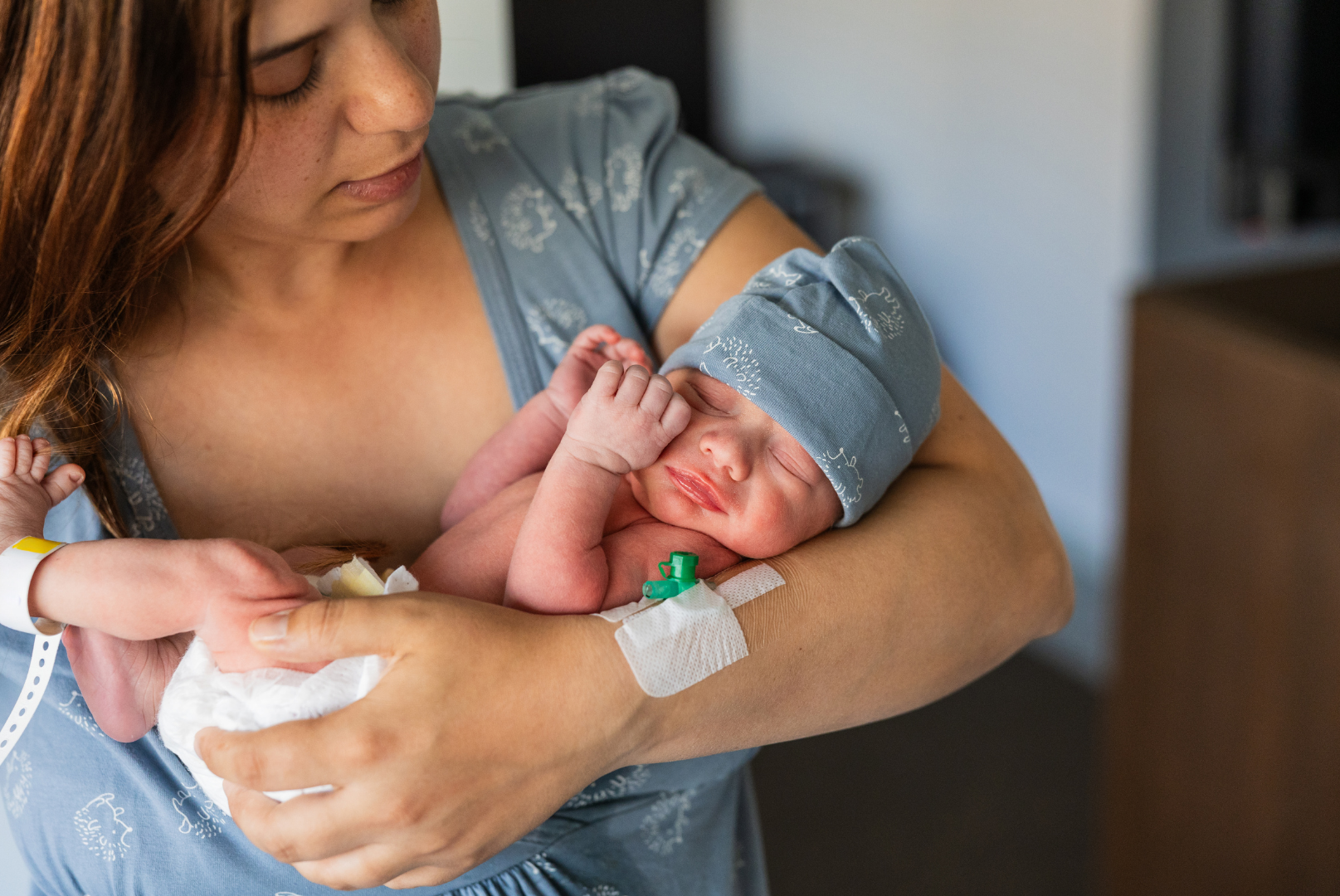
Postpartum Preparation Actually Starts During Pregnancy
One of the reasons I value having time during prenatal care is because preparing for postpartum should happen before the baby arrives. Prenatal care includes the things you probably expect: labs, screenings, monitoring fetal growth, checking blood pressure, listening to your baby, and watching your health throughout pregnancy. Those pieces matter, but I also want enough time to talk about how you are actually doing.
I want to know how you are sleeping, what support you have at home, what you are nervous about, how you are feeling emotionally, and what questions have come up since the last visit. We can talk about what those first days after birth might realistically look like and what support you already have around you.
Those conversations give us an opportunity to think ahead instead of waiting until someone is exhausted, overwhelmed, or struggling.
Preparing for the things you can't put on a registry
A postpartum preparation checklist can be useful. You can buy the pads, stock the freezer, wash the baby clothes, and make sure you have diapers. But I would also encourage you to think about the things that are harder to put on a registry.
Think about who can bring you food or hold the baby while you shower or sleep. Who will you call if feeding doesn't feel right? Who is checking on you? What support will your partner have? And if your recovery is harder than you expected, do you know who you can reach out to?
You do not need to predict exactly what postpartum will look like. You probably can't. Having some of these conversations ahead of time simply means you are not trying to figure out every piece for the first time while also recovering from birth.
What to Expect After Having a Baby
I think one of the hardest parts of those early days is simply not knowing what is normal. You are getting to know a brand-new person, and suddenly you are paying very close attention to newborn feeding, sleep, breathing, diaper output, weight changes, and behavior, often without having much experience with what a newborn actually looks like day to day.
At the same time, your own body is recovering. There can be bleeding, soreness, uterine cramping, breast changes, exhaustion, hormonal shifts, and a lot of emotion. Even when everything is progressing normally, it can feel like a lot because it is a lot.
This is why postpartum education should include more than a list of warning signs. Of course I want families to know when something needs evaluation. I also want you to have enough information about normal recovery and normal newborn behavior that you aren't left questioning every little thing alone.
You should know when to call
When something doesn't seem right, I want you to know who to call and feel comfortable calling.
Families shouldn't have to wait until something feels like an emergency because they are worried they are overreacting or bothering someone. Sometimes a question can be answered and reassurance is all that is needed. Other times, what you tell us gives us a reason to look more closely or recommend an evaluation.
Having that relationship already established can make those conversations much easier.
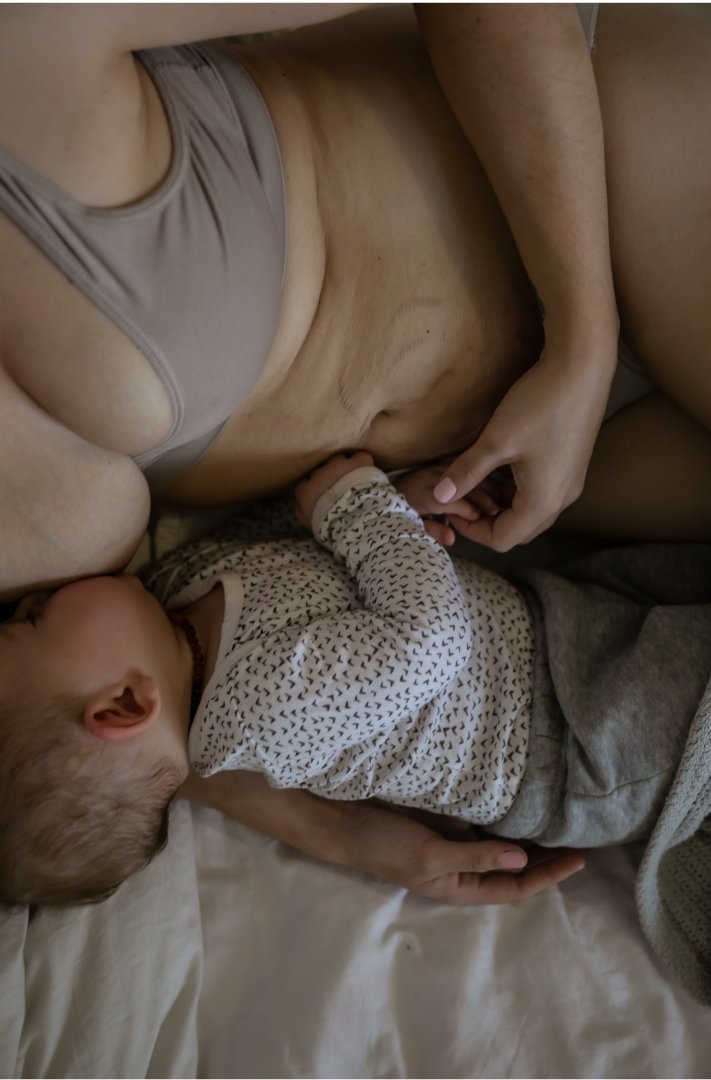
Feeding Is Only One Part of the Early Postpartum Picture
Feeding understandably takes up a lot of attention after birth. Whether you are breastfeeding, pumping, bottle feeding, combination feeding, or figuring out what works as you go, feeding a newborn becomes a huge part of your day very quickly.
During postpartum follow-up, I am looking at how feeding is going, how the baby is gaining weight, hydration, and whether there are concerns that need additional support. But I am also looking at the person feeding the baby.
I want to know how you are recovering. Are you eating? Are you drinking enough? Are you getting opportunities to rest? How are you feeling emotionally? How is your family adjusting?
The health of a mother and the health of her baby are deeply connected. Supporting one does not happen separately from supporting the other.
This is something I think is especially important when we talk about infant health and healthy outcomes. We can focus so heavily on the newborn that the mother almost disappears from the conversation once the baby is here.
She still needs care too.
Newborn Care Includes Knowing What Is Normal and Watching for What Isn't
Part of preparing for postpartum is understanding some of the newborn care your baby will receive after birth.
In my practice, newborn care includes screenings such as the newborn metabolic screen, often called the heel poke, hearing screening, and CCHD screening. These give us information that we cannot necessarily get simply by looking at a baby who appears healthy, and if something is abnormal, appropriate follow-up matters.
I also talk with families about safe sleep and creating a safe sleep environment. It can feel like a very simple conversation, but I never want to assume that someone already knows something just because they have had a baby before, read about it online, or heard it somewhere else.
The same is true when we talk about what to watch for once you are home. Parents need to know what feeding can look like, what newborn breathing can look like, how diaper output changes, and when something falls outside what we would expect.
You are going to know your baby better and better as the days go on. In those very first days, though, having someone help you understand what you are seeing can be incredibly reassuring.
Follow-Up Matters After Everyone Goes Home
Birth can feel like the finish line during pregnancy because so much preparation leads up to that moment. From my perspective as a midwife, birth is not where care suddenly stops.
Postpartum and newborn follow-up gives us an opportunity to see how the baby is feeding, gaining weight, and staying hydrated. It gives us time to look at physical recovery and talk about how the mother is feeling. It also gives us space to see how the family as a whole is adjusting.
That adjustment can look very different depending on the family. Maybe this is your first baby and everything is new. Maybe you have other children at home and you are figuring out how this new little person fits into rhythms that already existed. Either way, there is an adjustment happening.
Someone should still be paying attention
Follow-up gives us an opportunity to recognize concerns earlier rather than waiting until a family is really struggling or a baby is really not doing well.
And I think that is one of the most important pieces of postpartum care:
You should still have someone paying attention.
There is a big difference between knowing what you are supposed to do and having enough support around you to actually do it while you are healing, feeding a newborn, sleeping in short stretches, and adjusting to an entirely different rhythm at home.
That is part of why I have been thinking so much about what support can look like beyond our traditional postpartum visits, too.
How to Prepare for Postpartum Without Trying to Prepare for Everything
I don't think preparing for postpartum means trying to anticipate every possible thing that could happen after birth. We can't prevent every complication. We can't guarantee that feeding will go exactly as planned, that recovery will be easy, or that you will immediately know what your baby needs every time they cry.
And I don't want postpartum preparation to become one more way that pregnant families feel like they have a hundred things they are supposed to get exactly right.
Know where your support is
I would rather see you enter those first weeks knowing where your support is. Know who you can call with a feeding question and who is following your physical recovery. Talk about newborn care before you are exhausted and trying to remember what someone told you. Think about who can help with food, sleep, older children, household responsibilities, or simply sit with you when you need another adult there.
Ask what postpartum follow-up looks like when you are choosing your maternity care. Give postpartum some of the attention you are already giving your birth.
Because your care still matters after your baby is born. Your physical health matters. Your mental and emotional health matter. Your safety, resources, relationships, and the support around you matter.
We spend nine months preparing for birth.
I want families to feel prepared for what comes after it, too.

Something New Is Coming to Family Focused Midwifery
The more families I care for, the more I see how much support can still be needed once everyone is home. There are the medical follow-up visits, of course, but there are also all of those ordinary pieces of life with a new baby that can suddenly feel much harder when you are recovering and exhausted.
That is why we are currently working behind the scenes on a new postpartum doula service designed to offer families more support during those early weeks at home.
The details are still coming together, and the service isn't officially available just yet. If this is the kind of postpartum support you have been looking for, I would love to hear from you.
Reach out to Family Focused Midwifery and let us know you're interested in postpartum doula care. We can keep you updated as the service becomes available.
Interested in more postpartum support once you're home with your baby?
Our postpartum doula service is coming soon. Reach out and let us know you're interested, and we'll keep you updated as details become available.
Family Focused Midwifery supports families throughout Milwaukee, Waukesha County, and Southeast Wisconsin with home birth midwifery care, birth doula support, and childbirth education.
If you're looking for personalized support, we're here to help you navigate pregnancy, birth, and postpartum with confidence.
Not local? You can still learn with us through Fearless Birth Academy, our online childbirth education program.
You don’t have to figure this out alone, and you don’t have to choose between safety and autonomy.