Why Do Babies Go to the NICU? A NICU Admission Does Not Automatically Mean Something Went Wrong
Most families don't expect the NICU to be part of their birth story. Even when you have talked about possible complications during pregnancy or birth, it is very different when it is your baby who suddenly needs additional support.
Sometimes a NICU admission is anticipated because a baby is premature or there is a known medical condition. Other times, it happens unexpectedly after an otherwise normal pregnancy or birth. That sudden change of plans can be incredibly overwhelming, especially when parents are still processing the birth itself while trying to understand what is happening with their baby.
One of the questions families may find themselves asking is, why do babies go to the NICU, and does being there mean something went wrong?
There are many reasons for NICU admission, and the length and level of care can vary significantly from one baby to another. A baby may need respiratory support, help maintaining their blood sugar or temperature, treatment for jaundice or infection, additional feeding support, or specialized care because they were born prematurely. Some babies may need that higher level of care for a few hours. Others may need it for much longer.
A NICU admission tells us that a baby needs a level of support that is most appropriately provided there. It does not automatically tell us that someone failed, that a parent did something wrong, or that the birth itself went wrong.
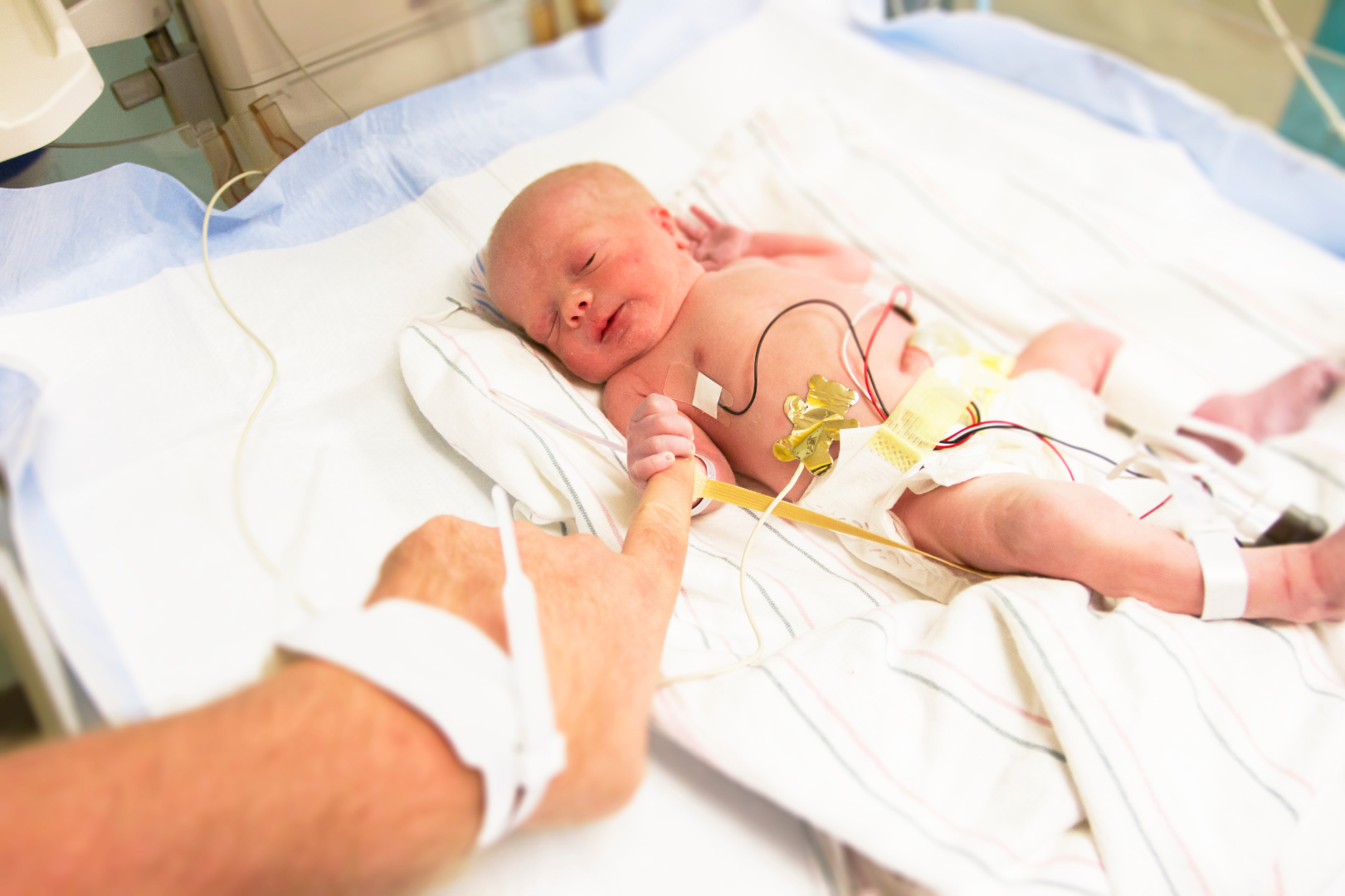
Does NICU Mean Something Went Wrong?
I think this is an important conversation because parents can very quickly start replaying everything that happened.
Was there something I should have noticed during pregnancy? Did I make the wrong decision during labor? Should we have done something differently? Did my body fail my baby?
There are situations where a complication during pregnancy or birth contributes to a baby needing additional care, and families deserve clear information about what happened when that is the case. But there are also babies who need NICU care after pregnancies and births that otherwise progressed normally.
Needing additional medical support does not automatically mean that the events leading up to it were a failure.
When NICU care is needed, I would rather frame it around what the baby needs in that moment. There are nurses, neonatologists, respiratory therapists, lactation professionals, social workers, and many other specialized professionals who are able to provide care for critically or medically vulnerable newborns. If a baby needs something beyond what I can safely provide, I am grateful that higher levels of care exist and that we can get that baby to the appropriate place for that support.
As a midwife, part of providing safe care is also recognizing the limits of my own scope. If a baby needs a higher level of medical care, my role changes. I can provide the information I have about the newborn, collaborate with the medical team when appropriate, and then continue supporting the family while the NICU team directs the baby's medical care.
The plan can change very quickly
When that transition happens unexpectedly, parents may feel like they have gone from being active participants in their birth to suddenly having very little control over what is happening.
There can be new providers, new terminology, tests, equipment, conversations, and decisions happening very quickly. Parents are trying to absorb all of this while exhausted, emotional, and often still processing the birth.
That is where support can become especially important. Families still deserve to understand what is happening with their baby and to be included in conversations and decision making whenever possible. Sometimes support simply looks like helping parents organize their questions, understand what they have been told, or process a conversation afterward.
We aren't directing the baby's medical care. We can still help the parents navigate an experience they never expected to be having.
There Is a Huge Emotional Side to a NICU Stay
The medical side of a NICU admission understandably gets a lot of attention. There is also an emotional experience happening alongside it.
Parents may feel fear, guilt, grief, helplessness, or even jealousy as they watch other families leave the hospital with their babies. They may have pictured those first days very differently. Maybe they imagined snuggling together in bed, feeding whenever their baby showed cues, introducing siblings, or simply bringing their baby home at the same time they went home themselves.
When those things don't happen, there can be grief around what they feel like they missed.
You can be incredibly grateful that your baby is receiving the care they need and also be devastated that this is happening to your family. Those feelings can exist together.
I don't think we need to force a family to immediately frame the experience positively simply because their baby is receiving good medical care. They may be relieved. They may be scared. They may be angry or sad. They may feel all of those things within the same day.
There is a lot to navigate.
Mom is still postpartum too
Something I have seen with families is how quickly almost every conversation begins to revolve around the baby once the baby needs intensive care. Of course everyone's attention shifts toward this little person who needs additional support. Even the mother herself may stop thinking about anything other than her baby.
But she is still recovering from birth.
She may still be bleeding and sore. She is exhausted and experiencing a significant hormonal shift. She may be trying to establish a milk supply or pumping around the clock while separated from her baby. She may also be processing a frightening or traumatic experience.
Someone still needs to ask her how she is doing. Has she eaten? Has she slept? Is she in pain? What does she need?
Supporting the mother is still part of supporting the family.
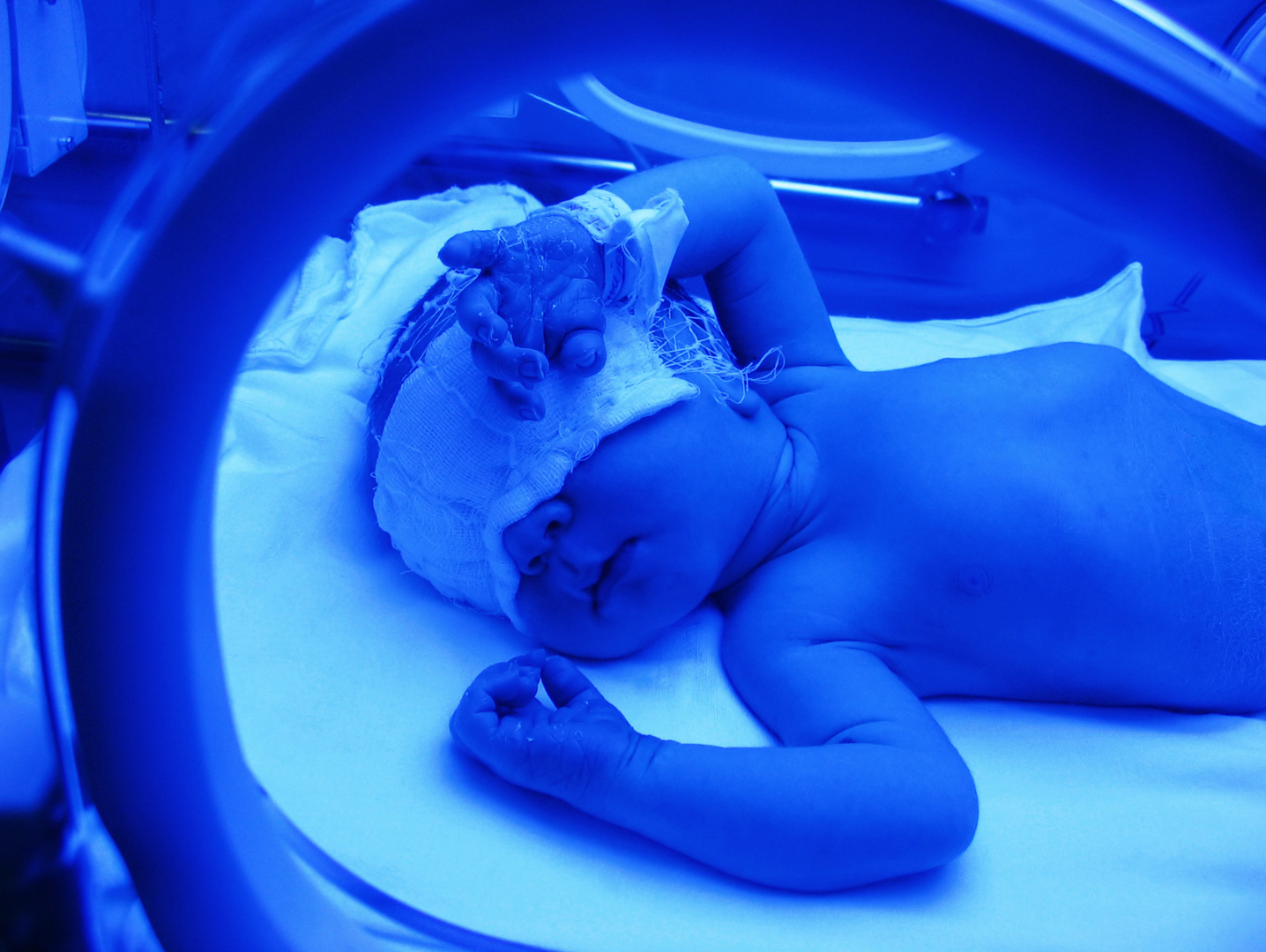
What Support Can Look Like During a NICU Stay
When a Family Focused Midwifery client has a planned or unexpected NICU stay, one of the things we try to be conscious of is not making the family responsible for keeping us updated.
We check in because we want them to know that we're thinking about them and that we're available if something comes up. We don't expect a response or a detailed update every time. A family sitting beside their baby in the NICU already has enough happening without feeling responsible for communicating with everyone who cares about them.
If they do want support, that can take different forms depending on what they need. We can help them think through questions they may want to ask the NICU providers while respecting that the NICU team is directing the baby's medical care. We can be an outlet for talking through some of the decisions or information they are receiving. We can continue supporting the mother's postpartum recovery and help with feeding or pumping concerns, including connecting the family with additional lactation support when that is needed.
There can also simply be space to process the birth.
Support doesn't always mean fixing something. Sometimes it means being a consistent presence from someone the family already knows and trusts while so many other things around them have suddenly changed.
A doula can have an important role here too. There may be practical needs that can be taken off the family's plate. There may be reminders to eat, rest, drink water, or take care of their own bodies. Sometimes a family simply needs someone who will sit with them and listen without expecting them to make the experience sound okay.
Support Shouldn't Disappear When the Baby Comes Home
Bringing a baby home after a NICU stay can be something a family has been waiting for and celebrating for days, weeks, or even months. It can also bring a new layer of anxiety.
In the NICU, there were monitors, nurses, and medical professionals nearby. Suddenly, the family is home and responsible for recognizing what their baby needs without that same level of observation surrounding them.
The transition itself deserves support.
Parents may need time to build confidence caring for their baby at home. Feeding may still require additional attention. There may be follow-up appointments or specialists involved. And emotionally, parents may only begin processing everything that happened once the immediate crisis has passed.
The family's need for care does not necessarily end when the baby is discharged.
This is something I think we need to remember when we talk about NICU experiences. There is the baby's medical care, but there is also a mother recovering from birth, a partner who has been scared too, siblings who may be adjusting, and an entire family whose first days or weeks together looked very different from what they expected.
When a Baby Needs More Care, the Whole Family Needs Support
NICU Awareness Month gives us an opportunity to recognize the incredibly specialized work being done by NICU professionals every day. I am grateful for the nurses, neonatologists, respiratory therapists, lactation professionals, social workers, and all of the other people who care for medically vulnerable babies while also supporting scared and exhausted parents.
I am also grateful that when a baby needs something beyond what I can safely provide, there is another level of care available to them.
For families, though, knowing that the NICU is the safest place for their baby does not erase everything else they may be feeling about the experience. If the NICU has been part of your story, it is okay to celebrate your baby's progress while also grieving what you feel like you missed. It is okay to need support while your baby is there and after you bring them home.
When a baby goes into the NICU, the whole family really does need our care.
Continuing Support After an Unexpected Birth Experience
One of the reasons experiences like a NICU stay stay with me is because families can still need so much after the immediate medical situation has passed. The baby may be home, but the parents are still adjusting, recovering, processing what happened, and learning what life looks like now.
We are currently working behind the scenes on a new postpartum doula service through Family Focused Midwifery that will allow us to offer families additional support during the postpartum period.
The service isn't officially available just yet, but if you are pregnant, have experienced a NICU stay, or already know you would like more support after your baby arrives, you are welcome to reach out now. We'd be happy to keep you updated as postpartum doula care becomes available.
Want more support waiting for you after birth?
Our postpartum doula service is coming soon. Reach out to Family Focused Midwifery and let us know you're interested, and we'll keep you updated as details become available.
Family Focused Midwifery supports families throughout Milwaukee, Waukesha County, and Southeast Wisconsin with home birth midwifery care, birth doula support, and childbirth education.
If you're looking for personalized support, we're here to help you navigate pregnancy, birth, and postpartum with confidence.
Not local? You can still learn with us through Fearless Birth Academy, our online childbirth education program.
You don’t have to figure this out alone, and you don’t have to choose between safety and autonomy.