Physiologic Birth: Why I Don't Think Birth Needs to Be Managed as Much as I Once Did
I’ve worked in birth for the last six years, and my understanding of birth has changed a lot during that time.
My training and experience started in the hospital. Over the years, my roles have changed from labor and delivery nurse to nurse midwife, birth doula, childbirth educator, pregnancy coach, and mom of multiple children myself. With every new role, I saw birth from a slightly different perspective. I had more births to observe, more families to support, and my own experiences to reflect on as I figured out what my values were and how I wanted to care for other families.
One of the biggest things I’ve changed my mind about is pretty simple:
Birth doesn’t need to be managed as much as I once thought.
That isn’t a criticism of where I started or of hospital birth. There are absolutely times when monitoring, exams, interventions, and additional information are useful and necessary. I think I’ve just become much more comfortable asking why we’re doing something, what information it will actually give us, and whether that information is going to change what we do next.
That shift has become a big part of how I understand physiologic birth now.
I Used to Pay a Lot More Attention to the Numbers
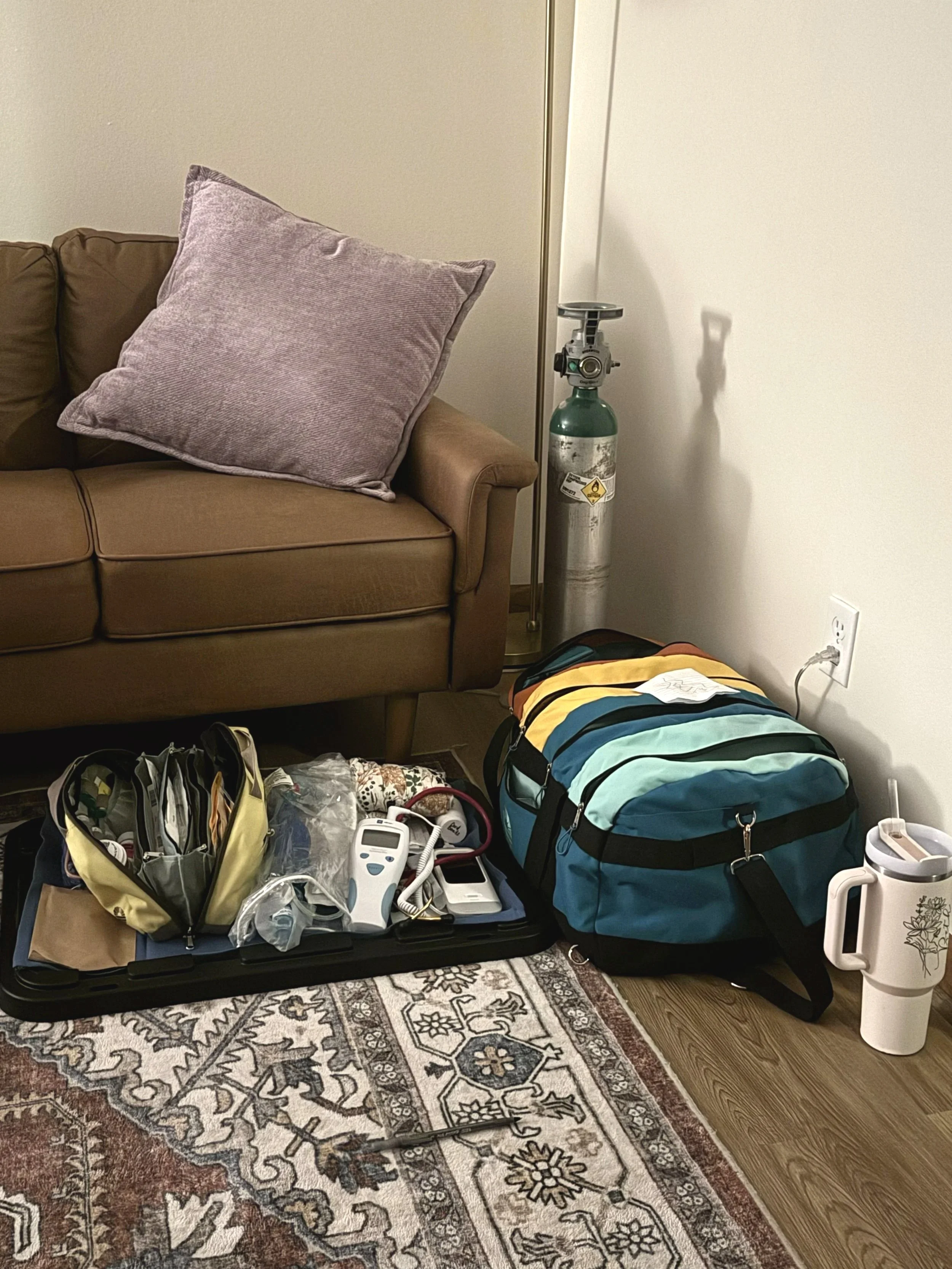
I remember working as a labor and delivery nurse and being very focused on cervical checks, progress, timelines, contraction patterns, charting, and all of the information we were collecting throughout labor. There was always something to assess or document, and cervical dilation especially felt like such an important measurement of where someone was in labor.
The more births I’ve attended, the less weight I’ve learned to put on that number by itself.
Someone can be three centimeters forever and then suddenly have a baby. Someone else can be seven centimeters for many, many hours. A cervical exam tells me what someone’s cervix is doing at that particular moment. It doesn’t give me a clock that tells me exactly when their baby is going to arrive.
That has made me much more comfortable with letting labor progress naturally and giving birth time and space when mom and baby are doing well.
There are still reasons we may want that information. Sometimes a cervical exam can help answer a question we’re actually trying to answer or help us decide what makes sense next. But I no longer feel like we need to gather information simply because we have access to it.
More Information Isn't Always More Helpful
I think that applies to more than cervical checks.
Monitoring, exams, interventions, and other tools can all have a purpose. The question I find myself asking now is: What are we hoping to learn from this, and what are we going to do with that information?
If something is going to help us get to a goal, answer an important question, or make a decision about care, absolutely. There can be a very real reason to use it.
But sometimes something is available simply because we have access to it. Having another tool available doesn’t automatically mean we need to use it.
That has probably been one of the bigger changes in the way I think about physiologic birth. I’m much more comfortable doing less when less is appropriate. I can continue assessing mom and baby, paying attention to what I’m seeing, and allowing labor to unfold without feeling like I need to constantly do something to move it along.
And ultimately, the patient gets to be part of those decisions too. Something being routinely offered doesn’t mean every family has to make the same choice about whether it is useful for them.

The Birth Environment Matters More Than I Realized
There were things that felt a little off to me even early in my nursing career, although I couldn’t always put my finger on why.
I remember some of the questions we were required to ask people when they were admitted. I remember thinking about how the room was set up, the lights being on, how many people were coming in and out, and who was in the room. At the time, I noticed those things without really understanding why they stood out to me.
The more birth I observed, the more I realized how much the environment actually matters.
The lighting matters. The voices in the room matter. Who is there matters. Whether someone feels watched matters. Whether they genuinely feel safe matters.
Those things can sound small compared with everything else happening during labor, but they can change how someone experiences it. I’ve become much more aware of protecting the environment around a laboring person and recognizing that sometimes supporting birth means being thoughtful about what we don’t add to the room.
It’s another reason I’ve become more comfortable with giving birth space.
There doesn’t always need to be another conversation happening, another person walking in, another exam, or another thing being done. Sometimes I’m assessing and paying very close attention while, from the outside, it might look like I’m not doing very much at all.
What Physiologic Birth Means to Me Now
When someone asks what is physiologic birth, I think it can be easy to picture it simply as a birth without interventions. My understanding of it has become more nuanced than that.
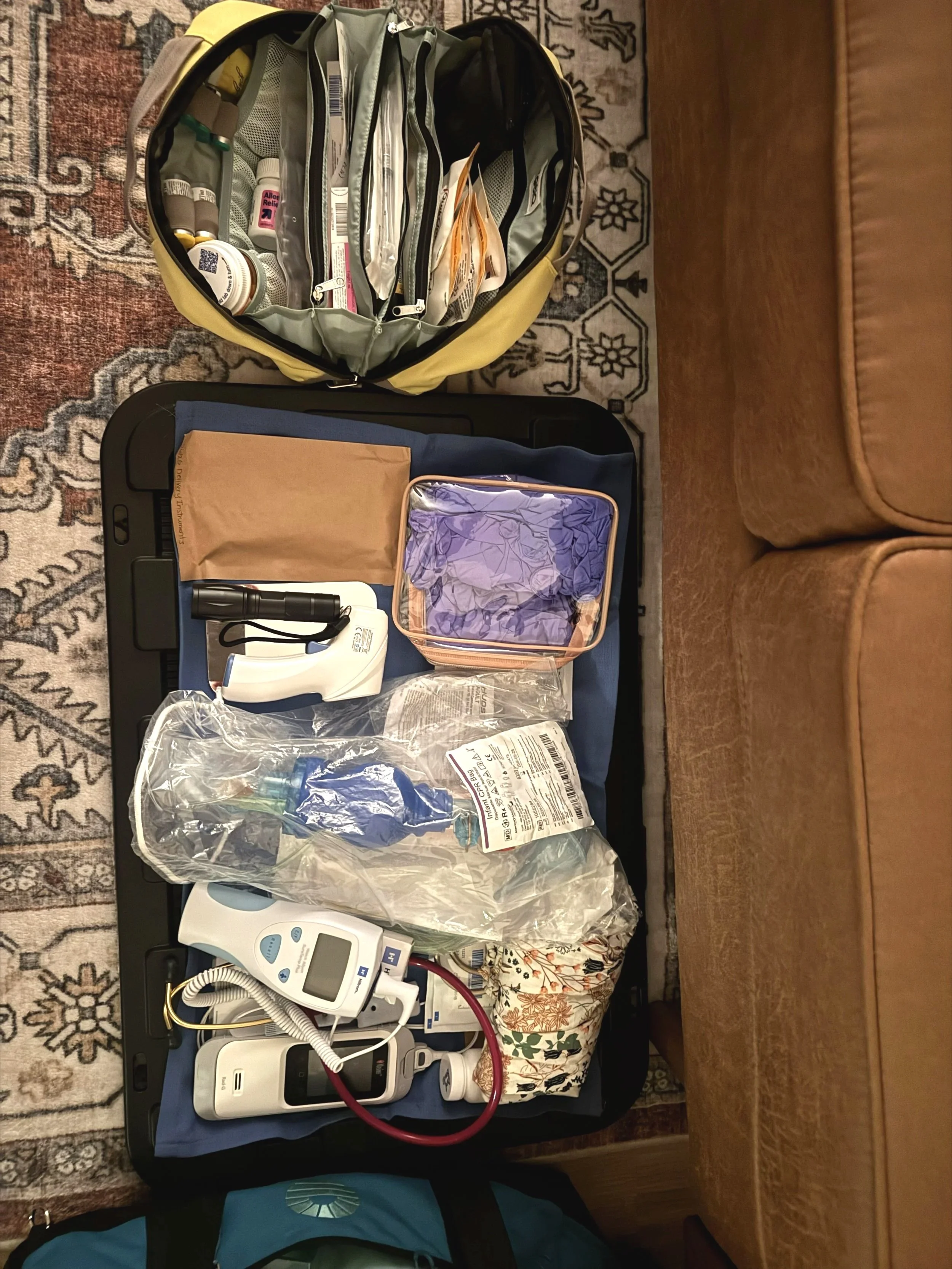
For me, supporting physiologic birth means being comfortable allowing normal processes to unfold when things are going well. It means knowing what I’m watching for, assessing appropriately, and using the tools available to me when there is a reason to use them. It also means recognizing that birth can take turns we weren’t expecting and responding when something changes.
I don’t see physiologic birth and appropriate intervention as competing ideas.
My comfort with doing less comes from experience, assessment, and knowing that I can change course when the situation calls for it. I’m not ignoring what is happening because I want birth to remain untouched. I’m paying attention without feeling like every labor needs to follow the same timeline or have the same things done along the way.
I think that distinction is important because my perspective has changed without swinging from one extreme to another. I still value the clinical skills and experience I gained early in my career. I just use that information differently now.
I’ve become more comfortable watching. Waiting. Giving someone time. Asking whether another piece of information is actually going to help us. And trusting that there are many different ways a normal labor can unfold.
My Understanding of Birth Kept Expanding
Another thing that changed as my career evolved was realizing how much of my attention had originally been concentrated on pregnancy and birth itself.
When I worked in the hospital and clinic setting, postpartum did not get nearly as much attention. After someone was discharged, we often wouldn’t see them again until six weeks postpartum.
There is a lot that happens in those six weeks.
Families are recovering from birth, learning their baby, figuring out feeding, sleeping very little, and trying to understand what is normal. Sometimes they’re doing all of that without having had much education during pregnancy about what postpartum was actually going to look like.
As I spent more time supporting families beyond the birth itself, postpartum became another area where my perspective changed. I became much more passionate about preparing families during pregnancy for what comes after birth and making sure support doesn’t suddenly disappear once the baby is here.
It feels connected to the same shift I’ve experienced throughout my career. The longer I do this work, the more interested I am in the whole experience of the family in front of me rather than simply reaching the next milestone.
6 Years into Birth Work and I'm Always Learning
I don’t think I could have arrived at my current understanding of birth from one role alone.
Being a labor and delivery nurse gave me one perspective. Becoming a nurse midwife gave me another. Working as a doula, teaching childbirth education, coaching families through pregnancy, and having my own children continued to change what I noticed and what I valued.
And I’m sure my perspective will continue to evolve as I support more families.
Right now, I’m much more comfortable with the idea that birth can be closely and thoughtfully supported without constantly being managed. We can assess. We can monitor when needed. We can intervene when there is a reason. And when mom and baby are doing well, we can also give labor time, protect the environment, and let birth unfold.
That is probably one of the biggest things six years of birth work has changed for me.
Considering Physiologic Birth in Milwaukee or Waukesha?
If you’re looking for a birth experience with space for questions, individualized decision-making, and support for physiologic birth when appropriate, you can learn more about home birth midwifery care with Family Focused.
Learn more about Family Focused Midwifery and whether our approach to care feels aligned with what you’re looking for.
Family Focused Midwifery supports families throughout Milwaukee, Waukesha County, and Southeast Wisconsin with home birth midwifery care, birth doula support, and childbirth education.
If you're looking for personalized support, we're here to help you navigate pregnancy, birth, and postpartum with confidence.
Not local? You can still learn with us through Fearless Birth Academy, our online childbirth education program.
You don’t have to figure this out alone, and you don’t have to choose between safety and autonomy.