How to Find a Home Birth Midwife in Milwaukee: A Step-by-Step Guide for Choosing the Right Fit
If you’re Googling “home birth midwife Milwaukee,” you’re probably asking two big questions:
Is home birth a good fit for me?
Is this midwife a good fit for my family?
And honestly, those are the right questions!
As a Waukesha-based home birth midwife serving the Milwaukee area, I’ve supported families who knew from day one that they wanted a home birth… and families who had no idea what they wanted, but knew they wanted to feel seen, heard, and safe.
This guide will walk you through exactly how to find the right home birth midwife for you, without pressure, judgment, or “one right way.”
Curious how choosing the right midwife can ensure a safe and empowering home birth experience?
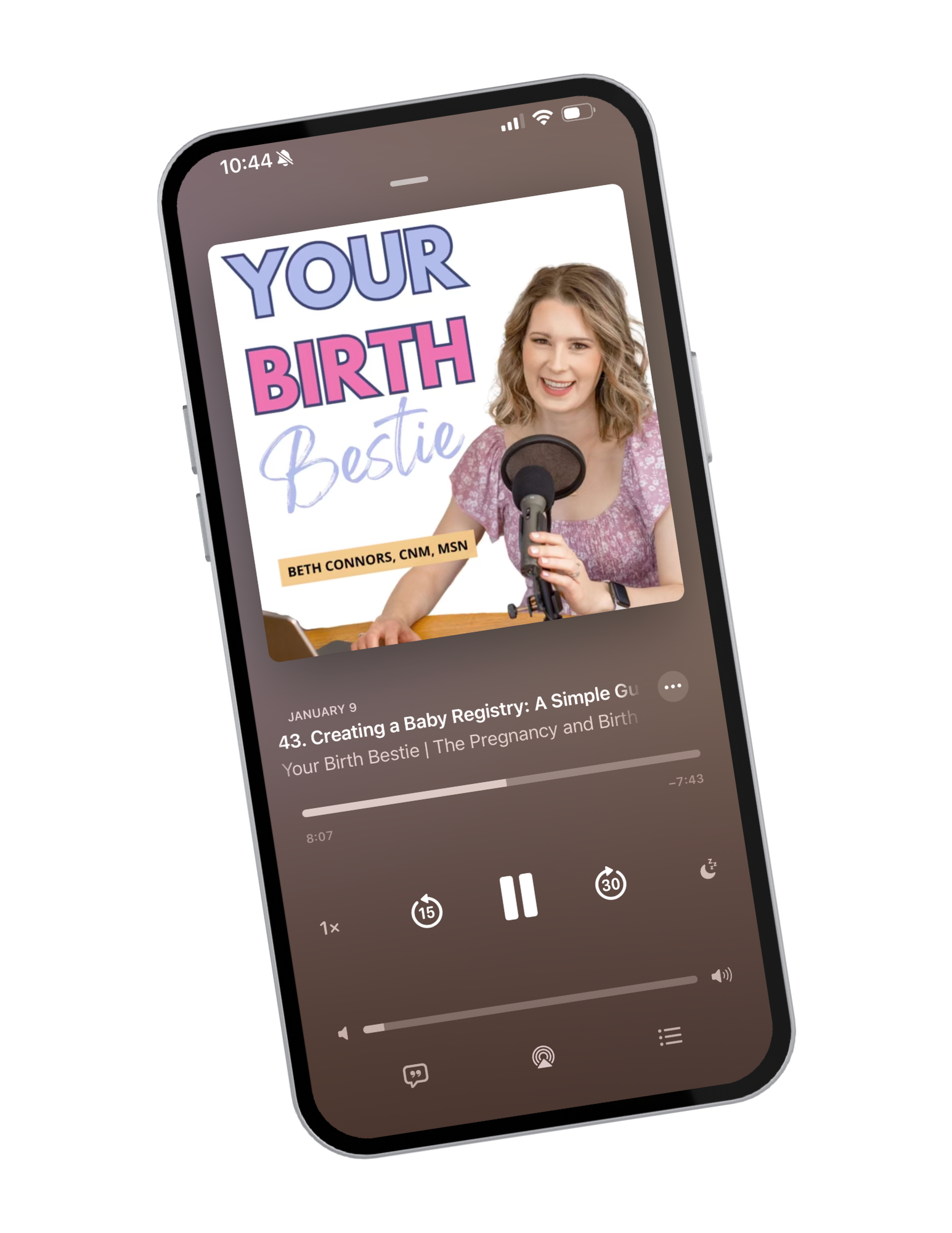
Then Episode 74 of Your Birth Bestie podcast is just for you! I’ll discuss key traits to look for in your midwife, why an evidence-based midwife can give you confidence in your birth choices, and how personalized midwifery care creates a trusting partnership.
Step 1: Start with the basics... does your location fit their service area?
This seems obvious, but it saves families a lot of time.
In my practice, I serve families within about a 45-minute radius of Waukesha, Wisconsin, which includes many Milwaukee-area communities. Most home birth practices also have a defined radius for safety, travel time, and on-call logistics.
Ask early:
What areas do you serve?
Is my address within your on-call radius?
Are there location factors that affect whether you can attend my birth?
Step 2: Ask what care actually looks like (not just where birth happens)
People often reach out because they want to “meet the midwife” and get a feel for personality and trust, and that matters. But what families also need is a clear picture of what they’re signing up for day-to-day.
When you’re choosing a home birth midwife in Milwaukee, ask for the details of the care model, including:
Prenatal visit schedule (How often? How long are visits?)
Labs and screenings offered and when
Education built into care (Birth prep, coping skills, informed consent conversations)
Home visits (when they happen and what they include)
Supplies provided
Continuity of care (Who do you actually see? Who attends the birth?)
Emergency protocols
How concerns are addressed and what “responsiveness” looks like in real life
In my practice, I provide high-touch, highly personalized care with longer visits, individualized education, and a relationship-based approach. Pregnancy and birth aren’t just a medical event; they’re a massive life transition.

Step 3: Don’t skip the “why”... explore your reasons for home birth
This is where people often think they’re clear… until we talk.
It’s important to explore:
Why home birth feels appealing
What you’re hoping to gain (calm, autonomy, fewer interruptions, familiar setting, etc.)
What you’re nervous about (emergencies, pain, “what if we need the hospital,” etc.)
What kind of support feels most grounding to you
A good midwife won’t push you toward a certain answer, they’ll help you clarify what matters most, and whether home birth fits your situation and comfort level.
Step 4: Ask directly about hospital collaboration and what “Plan B” looks like
This is one of the most important parts of choosing a home birth midwife, and one of the best indicators of professionalism.
In my care, we discuss transfer planning throughout pregnancy, and we create a detailed emergent and elective transfer plan together during the 36-week home visit.
Here are the questions I encourage families to ask any midwife:
Under what circumstances would you recommend a hospital transfer?
What does a non-emergent (elective) transfer look like?
What does an emergent transfer look like?
How do you communicate with the hospital team?
Do you have established relationships with local hospitals?
Will you come to the hospital and give report?
In my practice, if hospital collaboration is needed, I facilitate that transition closely and attend the hospital to support continuity and provide face-to-face handoff communication with staff when possible.

Step 5: Understand timing (and don’t wait too long!)
If you’re considering home birth in the Milwaukee area, reaching out earlier is better, not because you need to “decide immediately,” but because small home birth practices take limited clients, and spots can fill quickly.
I love establishing care early in the first trimester (and even preconception if possible). I don’t love the model of waiting until 10–12 weeks to begin support because so much happens in the first trimester, and early care helps families feel reassured right away.
A simple rule of thumb: If you’re curious, reach out early.
You can always decide later, but you can’t always grab a spot later.
Step 6: Ask about full-scope care (before, during, and after birth)
Another key differentiator between providers is how long they care for you, and what’s included.
In my practice, I’m not just present for labor. I’m your primary pregnancy care provider through 6 weeks postpartum, and beyond that for well-woman care if desired.
Ask:
Who provides postpartum visits?
How many postpartum visits are included?
What newborn care is included?
Do you offer ongoing well-woman care?
Step 7: Evaluate green flags and red flags
This is where you give yourself permission to choose based on fit, not just credentials.
Green flags
Look for:
Responsiveness (clear communication and timely replies)
Respectfulness
Collaborative language and professional relationships in the community
Willingness to talk openly about the hospital and transfer planning
Interest in your goals, not a one-size-fits-all approach
Red flags
Be cautious of:
Poor communication or vague answers
Lack of individualized care (you feel “slotted into a system”)
Rigid philosophy that doesn’t match your values
Pressure or shaming around your preferences
One of the biggest truths:
A midwife can be incredibly experienced and still not be the best fit for you.
Fit matters. Trust matters. Alignment matters.
Step 8: Cost and insurance... ask early, and think about value
It’s completely normal to have questions about cost and insurance coverage. Ask early so you can plan realistically.
And here’s something I wish more families understood:
Choosing your birth team is one of the most meaningful investments you’ll make. This is the journey into parenthood (or into a new chapter of your family) and it affects your body, your mind, your baby’s introduction to the world, and your long-term sense of safety and empowerment.
Home birth care often costs what it costs because it includes:
Longer appointments
Frequent touchpoints
Personalized education
On-call availability
Supplies and home visits
Continuity and intimate, relationship-based care
Thorough preparation for “what if” scenarios
You deserve transparency and support in figuring out what’s feasible.
If We’re Not the Right Fit, I’ll Help You Find the Right One
There are many home birth midwives in the Milwaukee area. My goal is not to convince every family to choose my practice, it’s to help you find the provider you trust.
If we connect and it turns out we’re not the right match, I’m happy to help refer you to someone who better fits what you’re looking for.
Ready to Explore Home Birth Care in Milwaukee?
If you’re considering home birth in the Milwaukee or Waukesha area and want to talk through fit, timing, logistics, and what care could look like for your specific situation:
👉 We’d love to learn more about you and help you explore your options.