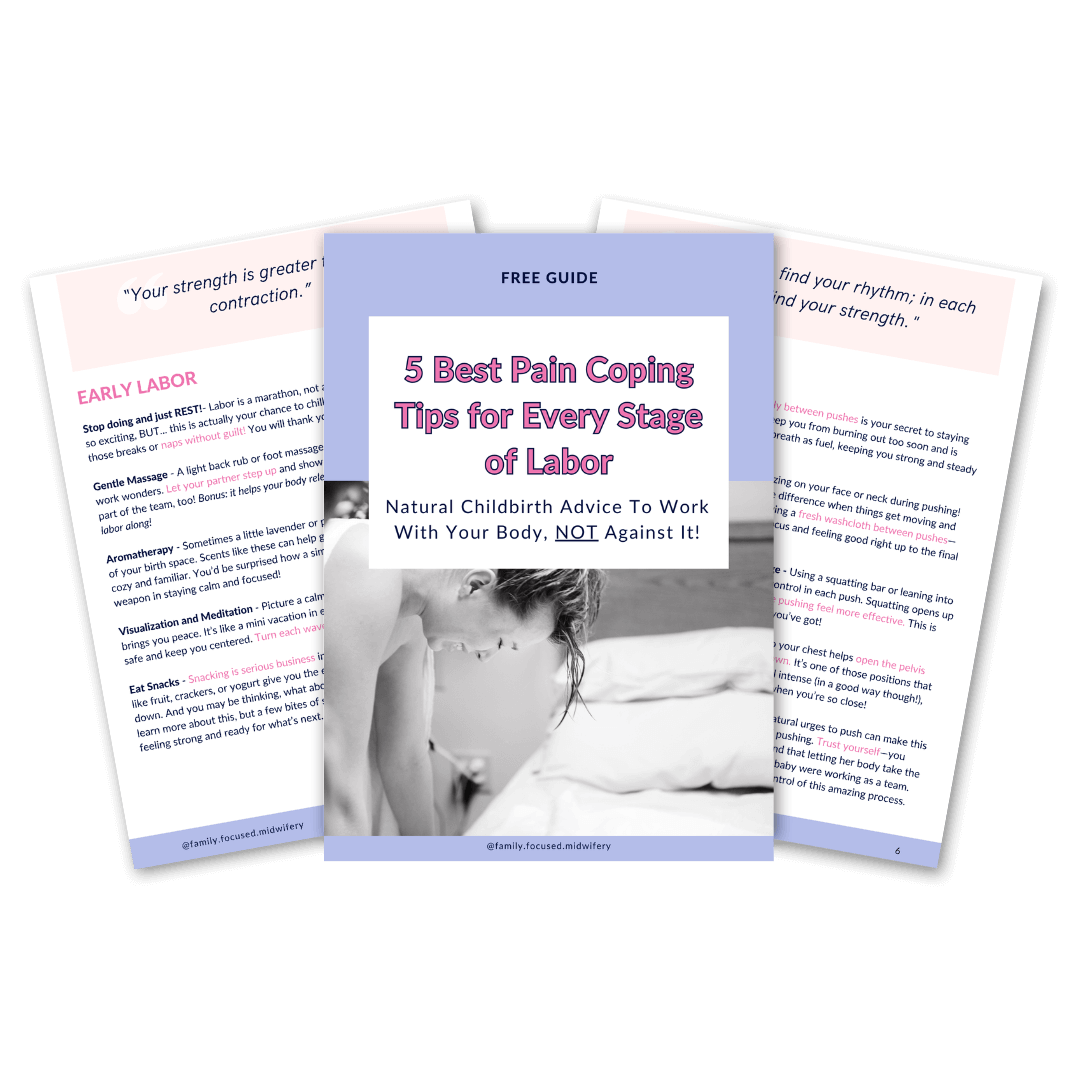
C-Section Prep: Tips for a Positive Surgical Birth
C-section prep deserves the same care, intention, and emotional support as any other birth plan.
When a cesarean is a possibility, whether planned or simply something you want to feel prepared for; compassionate midwifery care can make the difference between feeling powerless and feeling informed, supported, and respected throughout your birth experience.
If Thinking About a Possible C-Section Brings Up Fear or Uncertainty
You’re not alone.
Many parents quietly worry that planning for a cesarean means expecting the worst or letting go of their hopes for a vaginal birth. Others fear being rushed into decisions or losing their voice in a highly medical environment. These feelings are valid, and they deserve to be met with empathy rather than dismissal.
Compassionate midwifery care recognizes that preparing for all possibilities is not pessimistic. It is thoughtful, grounded, and empowering.
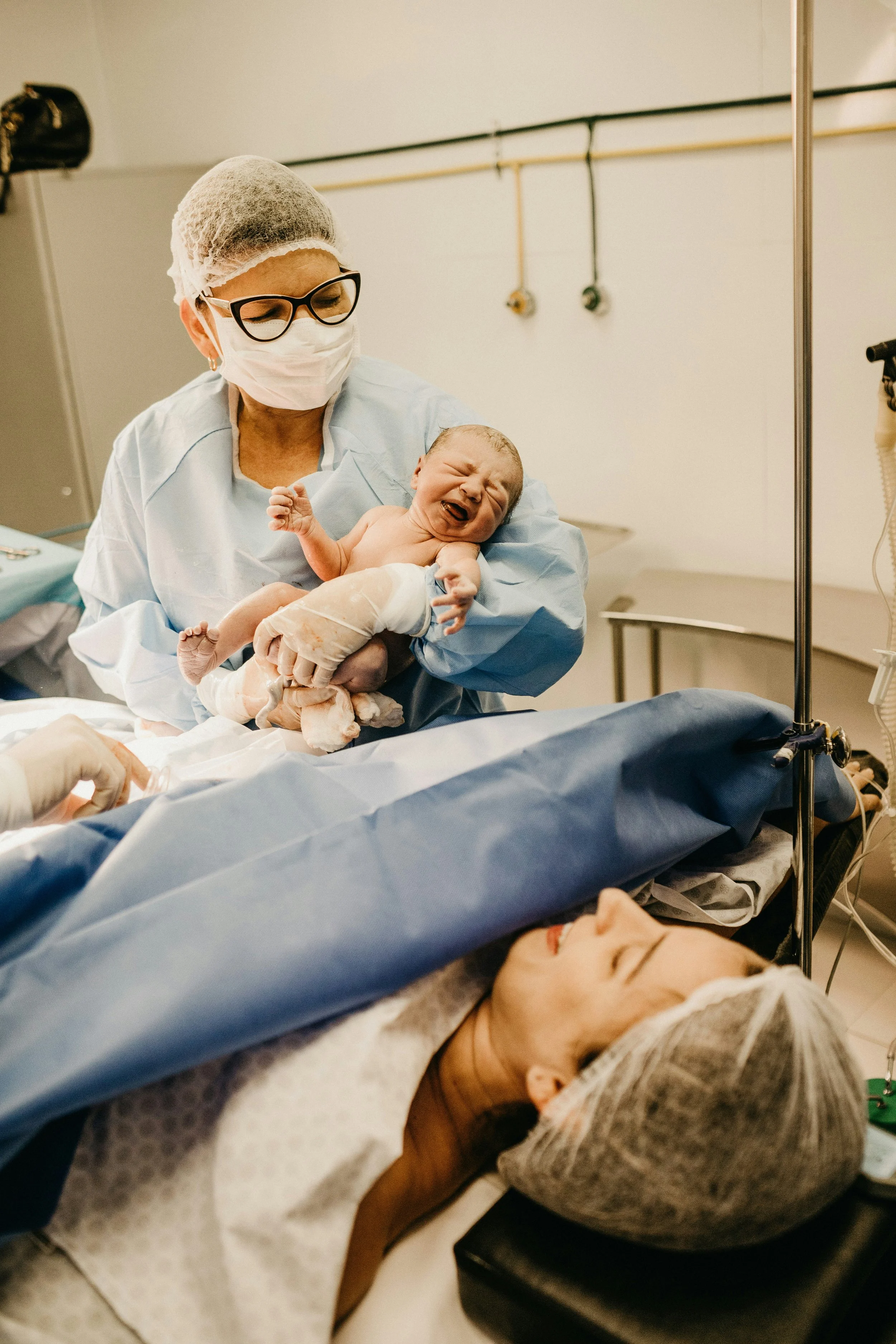
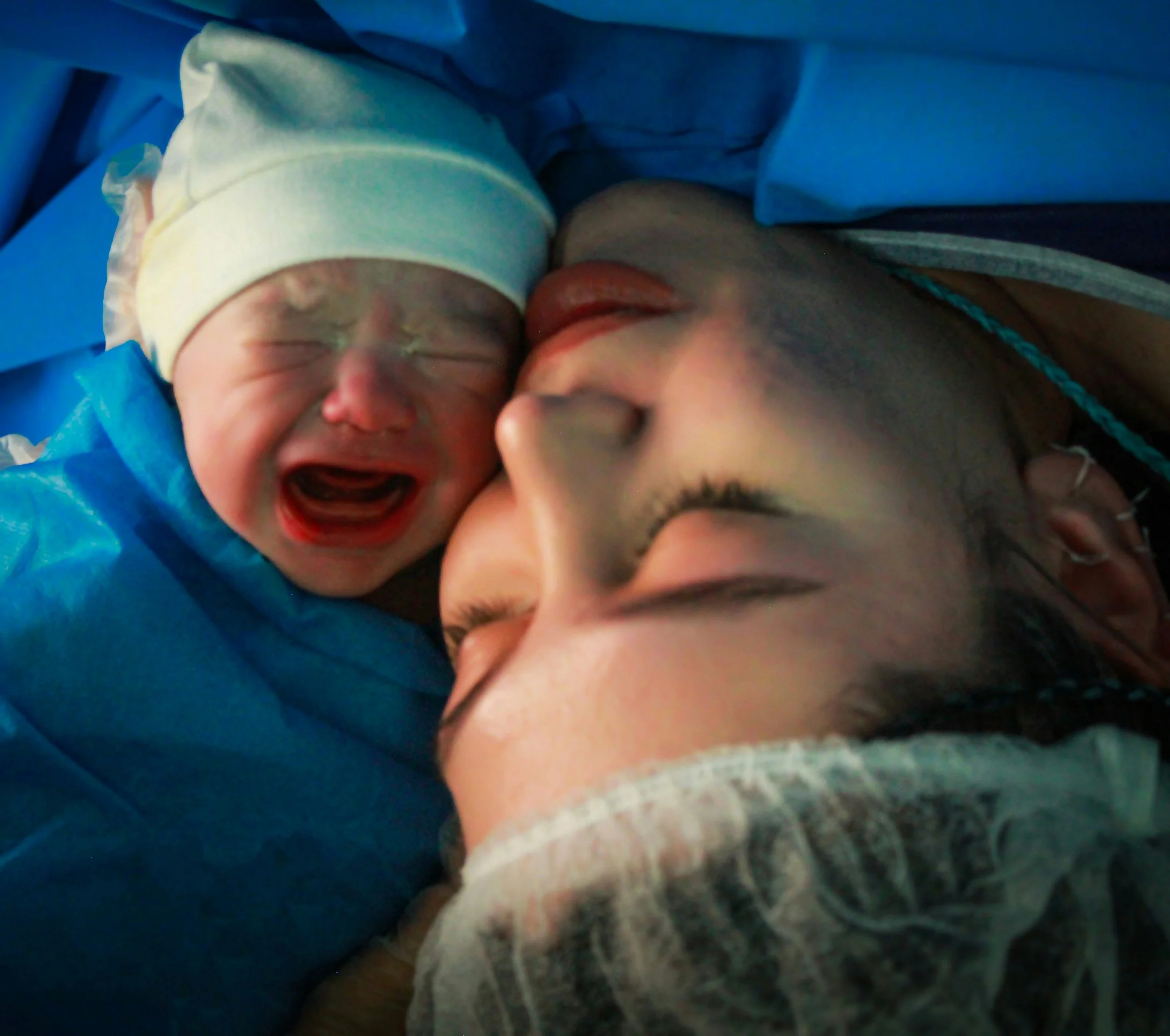

Why Compassion Matters When Navigating C-section Prep
Planning for a possible cesarean involves more than understanding a surgical procedure. It involves emotions, expectations, and trust.
Compassionate midwifery care supports you by:
Taking time to explain why a cesarean might be recommended
Discussing options without pressure or fear based language
Honoring your questions and your emotional responses
Centering your autonomy in every conversation
When compassion leads the discussion, preparation feels supportive instead of overwhelming. Feeling cared for emotionally makes it easier to process medical information clearly.
How Midwifery Care Protects Your Voice and Autonomy
One of the greatest fears around cesarean birth is feeling like decisions are made for you rather than with you. Compassionate midwifery actively works against that experience.
You are supported to:
Understand the timing and reasoning behind recommendations
Ask for benefits, risks, and alternatives
Request time to consider options when it is safe
Communicate your preferences clearly
Even in surgical settings, your voice still matters.
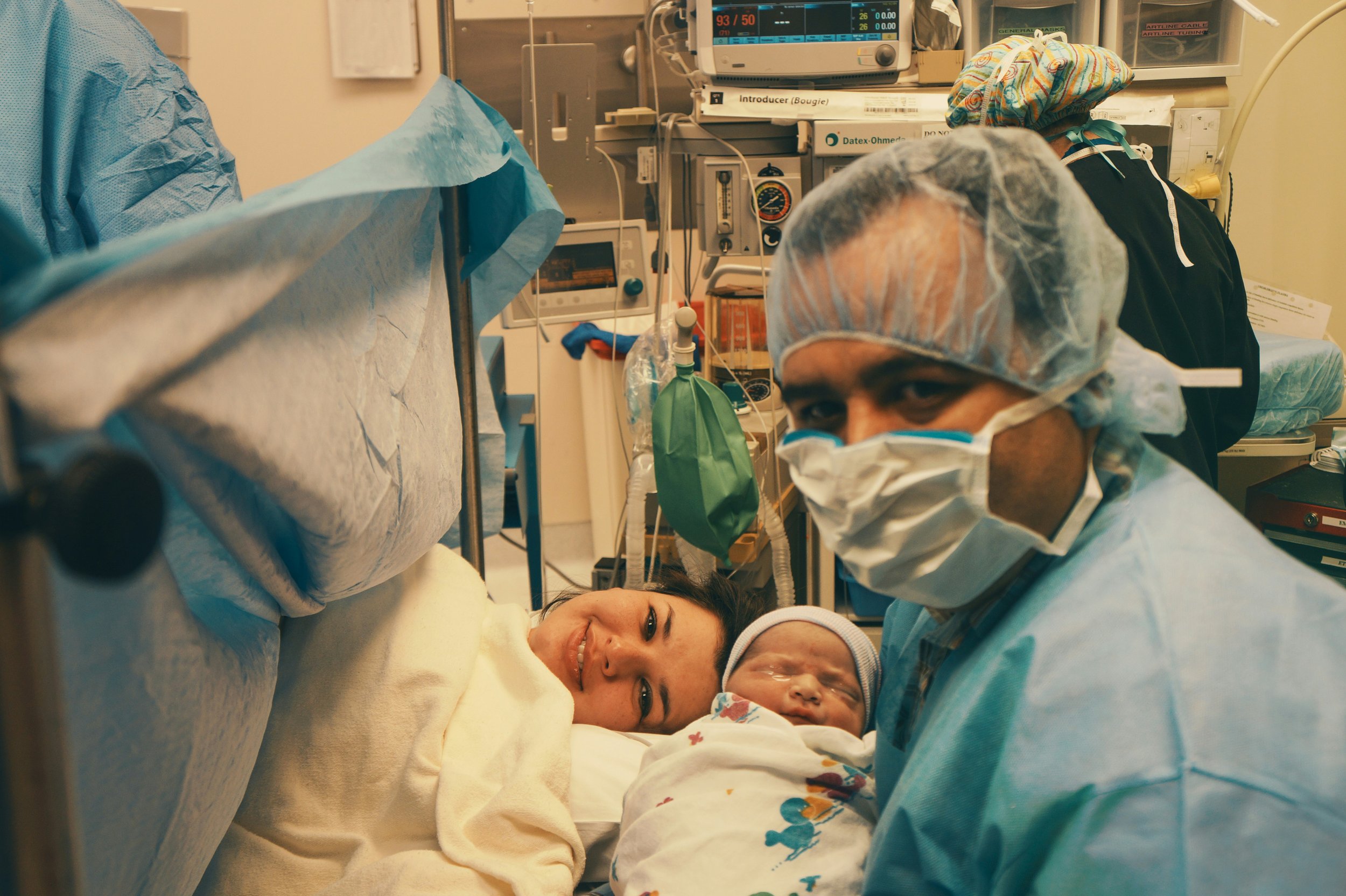
Support That Extends Beyond the Operating Room
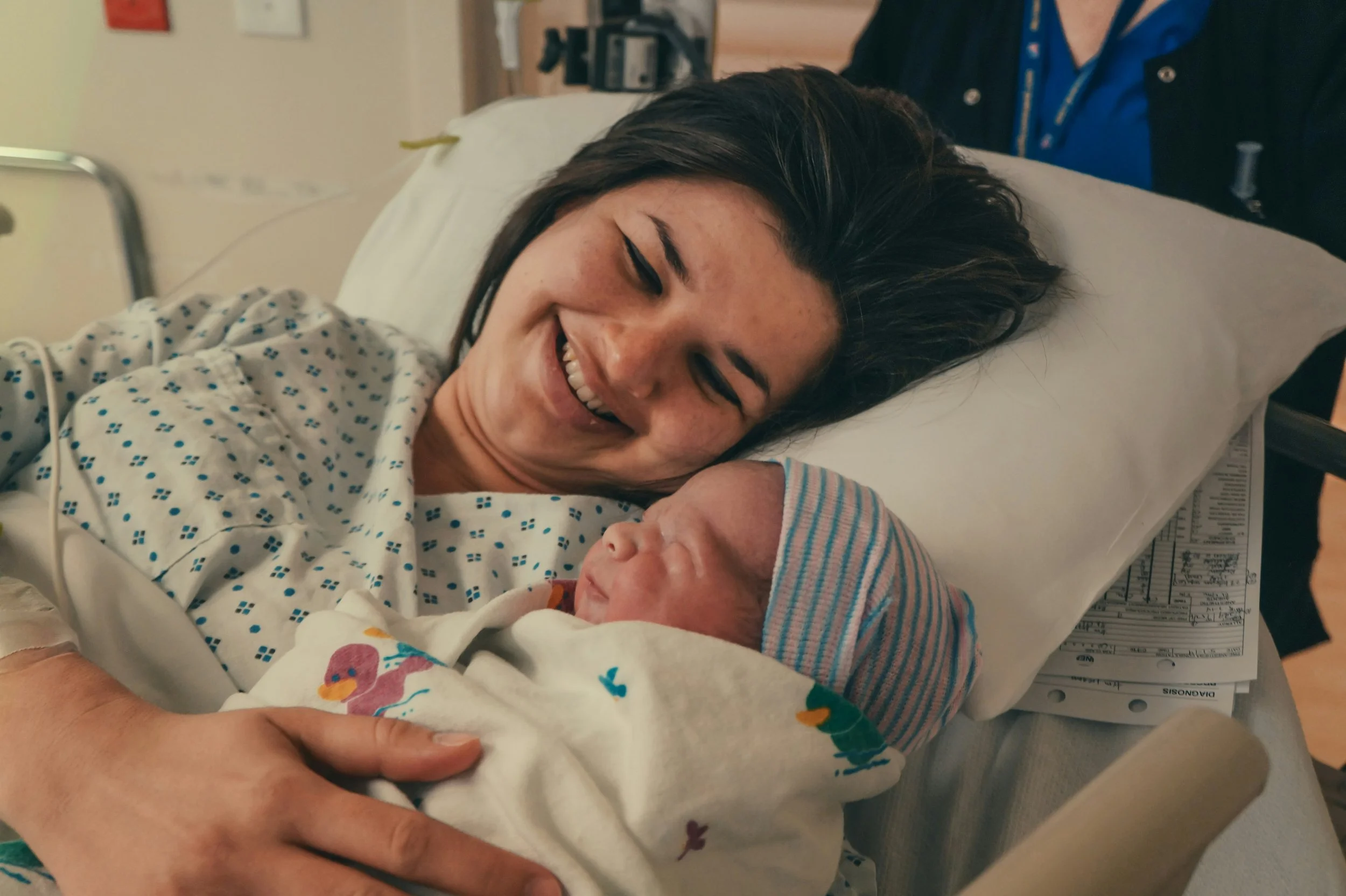
Compassionate midwifery care does not stop once a decision is made. It continues through birth, recovery, and bonding.
This support may include:
Advocating for early connection with your baby when possible
Preparing you for realistic recovery expectations
Supporting feeding goals with patience and flexibility
Holding space for emotional processing after birth
When care feels continuous and relational, birth feels less fragmented and more whole.
Join us as we break down how to embrace your unique birth journey with confidence and care!
In Episode 72 of Your Birth Bestie podcast, I talk with experienced doula, Lexi Zuo, about how expecting moms and their partners can prepare for a c-section, whether planned or expected. Lexi shares her knowledge, addresses common fears, and tips for this method of delivery.
My Perspective as a Midwife
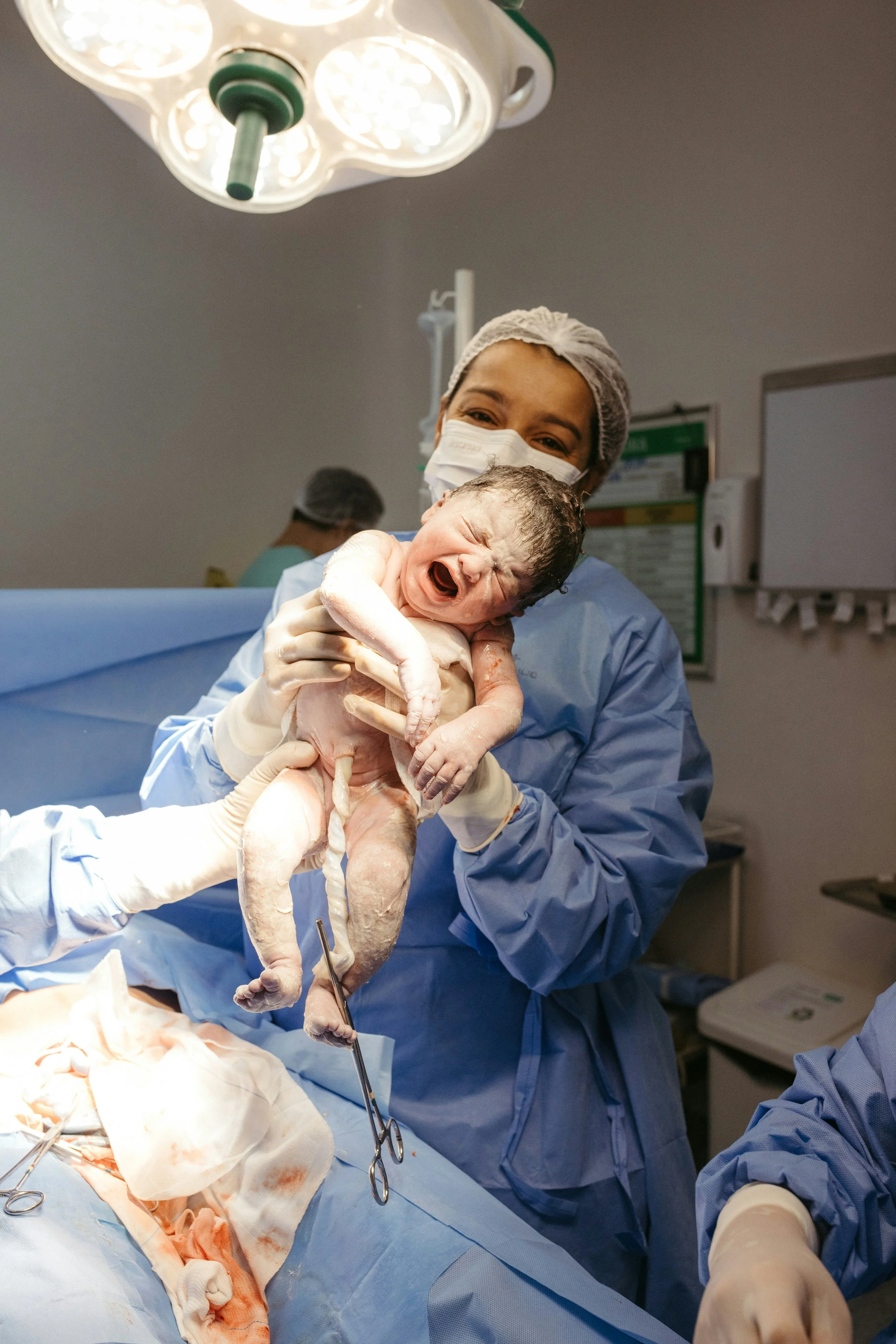
I believe preparing for a possible cesarean should never feel like giving up on an empowered birth. With thoughtful C-section prep, families can still experience birth as meaningful, intentional, and deeply personal.
Compassionate care allows you to hold flexibility and confidence at the same time. It reminds you that strength is not defined by the route of birth, but by how supported you feel along the way.
Ready to Feel Supported No Matter How Birth Unfolds?
Planning ahead does not take away hope. It builds confidence. When you have compassionate guidance and clear information, you can meet birth with steadiness and trust.
If you are considering your options and want support that honors your values, autonomy, and emotional wellbeing, I would love to help you navigate C-section prep with clarity and care.
Preparation rooted in compassion creates space for confidence.
What would help you feel most supported as you think about planning for a possible cesarean?